Definition
“PS” stands for “Postscript,” which is an additional message added at the end of a letter, email, or text after the main message has been written. It is used to include extra thoughts, reminders, or comments.
In texting, emails, and social media captions, short forms like “LOL,” “BTW,” and “FYI” are everywhere. One of the most commonly used yet often misunderstood abbreviations is “PS.” If you’ve seen someone end a message with “PS” and wondered what it means, you’re not alone.
The PS meaning in text is simple on the surface, but its usage is actually very versatile. It appears in formal letters, casual chats, romantic messages, and even social media posts. Understanding it properly helps you communicate more clearly and also interpret messages the right way.
In this guide, we’ll break down everything about PS—its meaning, origin, usage in texting and emails, real-life examples, tone, alternatives, comparisons, and FAQs.
What Does PS Mean in Text?
The abbreviation PS comes from the Latin word “post scriptum,” which means “written after.”
In modern communication, PS is used to:
- Add extra information after finishing a message
- Include a final thought or reminder
- Emphasize something important
- Add a personal or emotional note
Example:
- “I’ll see you tomorrow. PS: Don’t forget the documents.”
Even though it originally comes from formal writing, PS is now widely used in casual texting too.
Origin of PS (Postscript)
The term Postscript (PS) dates back to traditional letter writing before digital communication existed.
Historical use:
- People used handwritten letters
- After finishing the letter, they sometimes remembered something important
- Instead of rewriting the whole letter, they added a “PS” at the end
Latin origin:
- “Post” = after
- “Scriptum” = written
So literally, PS means:
👉 “Written after the main message”
Today, even in digital chats, the same concept is used.
How PS Is Used in Modern Texting
In texting culture, PS is often used in a more casual and expressive way than in formal writing.
Common uses:
- Adding last-minute thoughts
- Making jokes
- Giving reminders
- Expressing emotions
- Adding hidden messages
Example in chat:
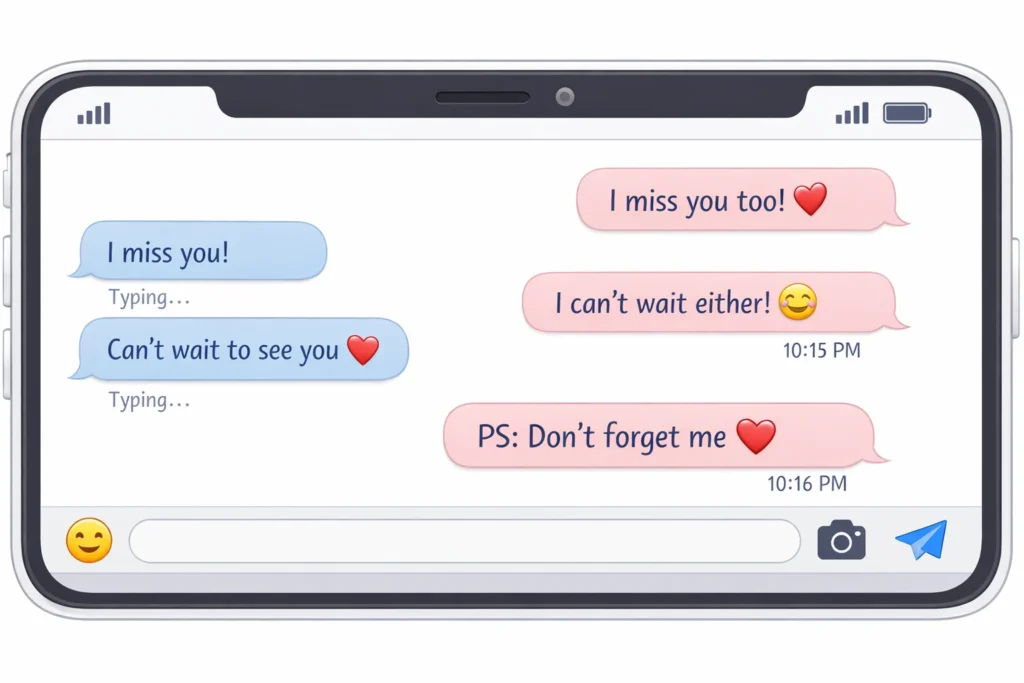
- “Goodnight 😊 PS: I miss you already”
This makes messages feel more personal and emotional.
PS Meaning in Different Contexts
PS is flexible and changes slightly depending on where it is used.
1. PS in Text Messages
In texting, PS is often casual and emotional.
Example:
- “Had a great time today! PS: You looked amazing 😄”
Tone:
- Friendly
- Emotional
- Informal
2. PS in Emails
In emails, PS is slightly more structured but still common.
Example:
- “Please find the report attached. PS: Let me know if you need any changes.”
Tone:
- Professional but friendly
3. PS in Social Media Posts
On Instagram, TikTok, and Facebook, PS is used for emphasis or fun.
Example:
- “Great trip photos! PS: I’m coming back next year 😍”
Tone:
- Casual
- Engaging
- Expressive
Table: PS Usage in Different Contexts
| Context | Meaning of PS | Tone | Example |
|---|---|---|---|
| Texting | Extra message or thought | Casual & emotional | “Goodnight PS: I miss you” |
| Additional note | Professional | “PS: Please reply soon” | |
| Social media | Fun or emphasis | Engaging | “PS: Best day ever 😍” |
Why People Use PS in Messages
PS remains popular even in modern digital communication because:
Key reasons:
- Easy to add extra thoughts
- Makes messages more personal
- Highlights important details
- Feels natural in conversation
- Adds emotional tone
It also helps people:
- Avoid rewriting full messages
- Add personality to communication
- Create a stronger connection
Examples of PS in Real Conversations
💬 Friendly chat:
“See you later! PS: Bring snacks 😄”
💬 Romantic chat:
“Goodnight ❤️ PS: I love you more than you know”
💬 Reminder message:
“Don’t forget the meeting. PS: Be on time!”
💬 Social media caption:
“Best vacation ever 🌴 PS: I don’t want to leave!”
PS vs Similar Terms
Understanding PS becomes easier when compared with similar message formats.
PS vs BTW (By The Way)
PS:
- Used at the end of a message
- Adds final thoughts
BTW:
- Used within a message
- Introduces extra information
PS vs FYI (For Your Information)
PS:
- Personal note
- Informal or emotional
FYI:
- Informational
- Neutral tone
PS vs PPS (Post Postscript)
PS:
- First extra note
PPS:
- Second extra note (rarely used today)
Table: PS vs Other Abbreviations
| Abbreviation | Meaning | Usage |
|---|---|---|
| PS | Postscript | Extra note at end |
| BTW | By the way | Additional info |
| FYI | For your information | Informative message |
| PPS | Post postscript | Second extra note |
Emotional Use of PS in Relationships
In romantic texting, PS is often used to add emotional depth.
Examples:
- “Goodnight ❤️ PS: You’re always on my mind”
- “PS: I love your smile”
- “PS: Don’t forget I miss you”
Why it works emotionally:
- Feels personal
- Adds intimacy
- Creates connection
- Sounds natural and heartfelt
Polite or Professional Alternatives to PS
If you want to avoid slang, you can use:
Formal alternatives:
- “Additionally”
- “Please note”
- “As a reminder”
- “One more thing”
- “Also”
Example:
- Instead of “PS: Call me,” you can write “Please call me when you are free.”
Common Mistakes About PS
❌ Mistake 1: Using PS in the middle of a sentence
PS should always come at the end.
❌ Mistake 2: Overusing PS
Too many PS lines can make messages messy.
❌ Mistake 3: Confusing PS with SMS slang
PS is not internet slang like LOL or BRB—it is structured communication.
Why PS Still Matters in Modern Communication
Even in the age of emojis and voice notes, PS remains useful because:
- It adds personality
- It makes messages memorable
- It helps highlight important thoughts
- It bridges formal and informal writing styles
FAQs:
What does PS mean in texting?
PS means “Postscript,” used to add extra information after a message is finished.
Is PS formal or informal?
It can be both, depending on context. It is formal in emails and informal in texting.
Can I use PS in WhatsApp messages?
Yes, PS is commonly used in WhatsApp chats for extra notes or emotions.
What is the purpose of PS in a message?
To add additional thoughts, reminders, or emotional comments after the main message.
Is PS still used today?
Yes, PS is still widely used in digital communication, emails, and social media.
What is the difference between PS and BTW?
PS is used at the end of a message, while BTW is used within the message.
Can PS be used in professional emails?
Yes, it is commonly used to add polite extra notes in emails.
Does PS always come at the end?
Yes, PS is always placed after the main message is completed.
Conclusion
The PS meaning in text is simple but powerful. It stands for “Postscript,” a way to add extra thoughts or notes after a message is finished. Whether used in texting, emails, or social media, PS helps make communication more personal, expressive, and complete.
Understanding PS helps you communicate more naturally and also interpret messages more clearly in everyday digital conversations.
Discover More Related Articles:
- What Does a Cavity Look Like | Signs, Stages, Causes & Treatment In 2026
- What Does BBG Stand For | In a Relationship or Flirting For 2026

Jessica Brown is a language-focused writer who creates well-researched articles on word meanings, abbreviations, and everyday expressions. She contributes to meanvoro.com, delivering simple, reliable, and reader-friendly content designed to make complex terms easy to understand.