Definition
A parasocial relationship is a one-sided emotional connection where a person feels attached to a celebrity, influencer, fictional character, streamer, or online personality who does not personally know them.
The term is commonly used in social media culture, fandoms, and internet discussions.
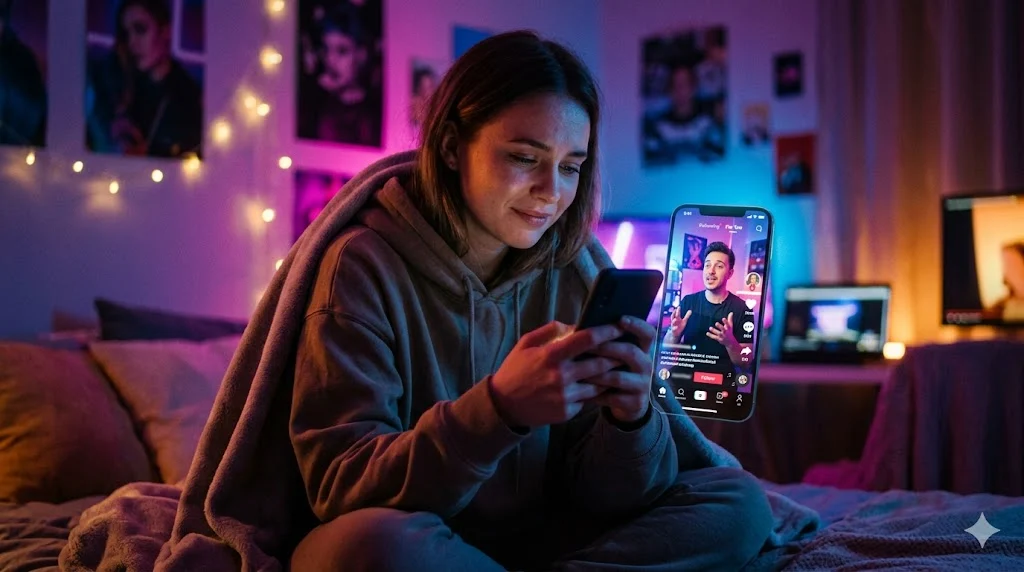
The internet has changed the way people interact with celebrities, influencers, streamers, and online creators. Through platforms like TikTok, YouTube, Instagram, and Twitch, fans can watch someone’s daily life, hear their opinions, and follow their personal experiences closely.
Because of this constant exposure, many people develop emotional attachments to public figures they have never actually met. This type of one-sided connection is called a parasocial relationship.
If you’ve seen the word “parasocial” online and wondered what it means, you’re not alone. The term has become increasingly popular in internet culture and social media discussions.
In this guide, we’ll explain:
- What parasocial means
- What a parasocial relationship is
- Examples from social media and fandom culture
- Why parasocial connections happen
- Healthy vs unhealthy parasocial behavior
- Common misconceptions
- FAQs
Let’s break it down in a simple and easy-to-understand way.
What Does Parasocial Mean?
The word parasocial describes a one-sided emotional relationship where one person feels connected to someone who does not know them personally.
This connection is usually formed with:
- celebrities
- influencers
- YouTubers
- streamers
- musicians
- actors
- fictional characters
The audience member may feel emotionally invested in that person’s life, even though the relationship is not mutual.
Simple Definition:
Parasocial = feeling emotionally connected to a public figure who does not personally know you.
What Is a Parasocial Relationship?
A parasocial relationship happens when fans or followers feel like they personally know a creator or celebrity because they watch their content regularly.
Even though the interaction feels personal, the relationship exists mostly on one side.
Example:
- Watching a YouTuber every day
- Feeling emotionally affected by their life updates
- Thinking of them as a close friend despite never meeting them
This is considered a parasocial connection.
Parasocial Meaning in Different Contexts
1. Social Media Context
On platforms like TikTok, Instagram, YouTube, and Twitch, parasocial relationships are extremely common.
Creators often:
- share personal stories
- vlog daily life
- talk directly to the camera
- interact with followers
This creates a feeling of closeness.
Example:
- “Some fans become too parasocial with influencers.”
- “People feel emotionally attached to streamers they watch daily.”
2. Celebrity and Fandom Culture
Fans sometimes feel deeply connected to singers, actors, or public figures.
Examples:
- Defending celebrities online aggressively
- Feeling personally hurt by celebrity drama
- Believing they truly know a famous person
3. Fictional Character Attachments
People can also form parasocial relationships with fictional characters from:
- movies
- TV shows
- anime
- books
- video games
Example:
- Feeling emotionally connected to a fictional hero
- Missing a TV character after a series ends
Parasocial Meaning Table
| Context | Meaning | Example |
|---|---|---|
| Social Media | Emotional attachment to creators | “Fans became parasocial.” |
| Celebrity Culture | One-sided fan connection | “Parasocial celebrity obsession.” |
| Fictional Media | Attachment to characters | “People feel parasocial toward anime characters.” |
Why Parasocial Relationships Happen
Parasocial relationships happen because online content feels personal and interactive.
Reasons include:
- daily content exposure
- emotional storytelling
- relatable personalities
- loneliness or social connection
- community and fandom culture
Creators often speak directly to audiences, making viewers feel included and emotionally connected.
Healthy vs Unhealthy Parasocial Relationships
Healthy Parasocial Relationships
Most parasocial relationships are harmless.
Healthy examples:
- enjoying a creator’s content
- feeling inspired by someone online
- supporting artists or streamers
- participating in fandom communities
Unhealthy Parasocial Relationships
Problems can happen when emotional attachment becomes excessive.
Unhealthy signs:
- obsession with a creator
- believing you personally know them
- emotional dependence
- harassment or controlling behavior
- unrealistic expectations
Examples of Parasocial in Sentences
Casual Internet Use
- “People online are becoming too parasocial.”
- “That fandom has a very parasocial culture.”
Social Media Discussion
- “Watching daily vlogs can create parasocial relationships.”
- “Fans sometimes confuse entertainment with friendship.”
Pop Culture Conversations
- “Parasocial attachments are common in streaming communities.”
- “Many influencers talk about setting boundaries with parasocial fans.”
Parasocial vs Similar Terms
| Term | Meaning | Difference |
|---|---|---|
| Parasocial | One-sided emotional connection | Audience-to-creator relationship |
| Friendship | Mutual relationship | Both people know each other |
| Fandom | Supporting a creator or series | Not always emotionally attached |
| Obsession | Extreme fixation | More intense and unhealthy |
Why the Word “Parasocial” Became Popular
The term became more common because social media makes creators seem more accessible than traditional celebrities.
Platforms contributing to this trend:
- TikTok
- YouTube
- Twitch
- Podcasts
- Streaming platforms
Modern creators often share:
- personal stories
- emotions
- routines
- behind-the-scenes content
This increases emotional closeness between audiences and creators.
Common Misconceptions About Parasocial Relationships
1. All parasocial relationships are bad
Not true. Most are normal and harmless.
2. Only lonely people experience them
Anyone can form parasocial connections, especially with creators they admire.
3. Parasocial means obsession
Not always. Mild emotional attachment is very common.
4. Parasocial relationships only happen with celebrities
They can also happen with:
- streamers
- fictional characters
- podcast hosts
- online educators
Is Parasocial Formal or Informal?
| Usage Type | Formal or Informal |
|---|---|
| Psychology discussions | Formal |
| Internet slang discussions | Informal |
| Social media commentary | Informal |
The word originated in psychology but is now commonly used online.
FAQs
What does parasocial mean?
Parasocial refers to a one-sided emotional connection with a celebrity, influencer, creator, or fictional character.
What is a parasocial relationship?
It is when a fan feels emotionally attached to someone who does not personally know them.
Are parasocial relationships bad?
Not always. Most are harmless unless they become obsessive or unhealthy.
Why do parasocial relationships happen?
They happen because online creators share personal content that makes audiences feel connected.
Is parasocial a psychology term?
Yes, the term originally came from psychology and media studies.
Can you have a parasocial relationship with a fictional character?
Yes, many people form emotional attachments to fictional characters.
Is parasocial slang?
It is both a psychological term and a popular internet culture word.
Where is the word parasocial commonly used?
It is commonly used on TikTok, YouTube, Twitter/X, Reddit, and fandom communities.
Conclusion
Parasocial is a term used to describe one-sided emotional relationships between audiences and public figures, creators, influencers, or fictional characters. These relationships have become more common in the age of social media because creators share personal and relatable content regularly.
Most parasocial relationships are harmless and simply part of modern entertainment culture. However, understanding boundaries is important so that admiration does not become unhealthy obsession.
Now when you see the word “parasocial” online, you’ll understand exactly what people mean and how the term is used in internet culture.
Discover More Related Articles:
- Helonium Meaning in Text | Is It a Slang or Typo In 2026
- Manifest Meaning in Text | How to Understand the Word in Chat In 2026

Madison Taylor is an experienced content writer who focuses on researching and explaining word meanings, slang, and texting terms. She writes for meanvoro.com, creating clear and accurate to help readers understand language easily.