Definition
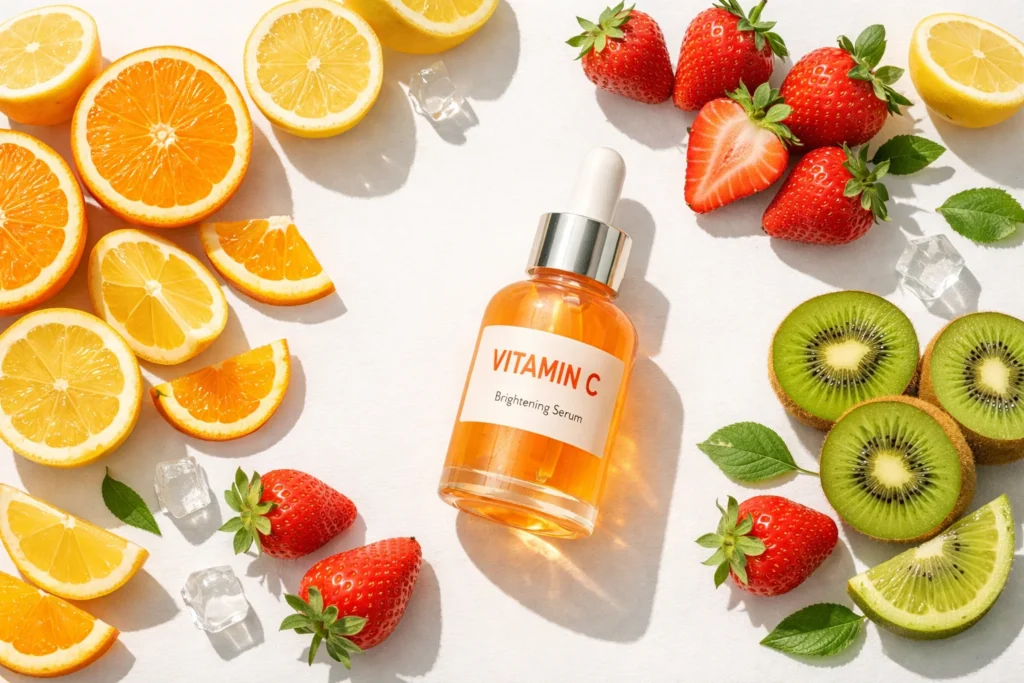
Vitamin C is a essential water-soluble nutrient (ascorbic acid) that helps the body repair tissues, strengthen the immune system, produce collagen for skin and joints, and protect cells from damage caused by free radicals.
If you’ve ever searched for skincare tips, immune boosters, or even “how to stay healthy naturally,” you’ve probably come across vitamin C. It’s one of those nutrients that shows up everywhere—on supplement bottles, in skincare serums, in fruit juices, and even in doctor advice.
But what does vitamin C actually do in the body?
The short answer: a lot more than just “boost immunity.”
Vitamin C plays a key role in skin health, healing, energy support, and protecting your body from everyday damage. It’s not something your body can produce on its own, so you must get it from food or supplements.
In this guide, we’ll break everything down in a simple, human-friendly way—no confusing science overload, just clear explanations you can actually use in real life.
Origin and Popularity of Vitamin C
Vitamin C, scientifically known as ascorbic acid, was first identified in the early 20th century during research on scurvy—a disease caused by vitamin C deficiency.
Historically, sailors traveling long sea routes suffered from bleeding gums, weakness, and fatigue. Doctors later discovered that citrus fruits like lemons and oranges could prevent this condition.
That discovery made vitamin C one of the most famous nutrients in nutrition history.
Why vitamin C became so popular today:
- Strong link with immunity support
- Widely used in skincare (brightening and anti-aging)
- Easily available in fruits and supplements
- Backed by both science and traditional nutrition advice
Today, vitamin C is a global health essential—not just a nutrient but a lifestyle product used in food, medicine, and beauty industries.
What Does Vitamin C Do in the Body?
Vitamin C is involved in many biological processes. Here’s a clear breakdown of its key roles:
1. Supports Immune Function
- Helps white blood cells work properly
- Supports the body’s defense system
- May reduce duration of common colds (not prevent them completely)
2. Builds Collagen (Skin, Hair, Joints)
- Collagen is the protein that keeps skin firm and youthful
- Helps wound healing
- Supports healthy joints and bones
3. Acts as an Antioxidant
- Protects cells from damage caused by free radicals
- Reduces oxidative stress
- Supports long-term health
4. Improves Iron Absorption
- Helps your body absorb iron from plant-based foods
- Reduces risk of iron-deficiency anemia
5. Helps Tissue Repair
- Speeds up healing of cuts and injuries
- Supports gum and dental health
Quick Summary Table
| Function | What Vitamin C Does |
|---|---|
| Immunity | Strengthens defense system |
| Skin health | Boosts collagen production |
| Antioxidant | Fights cell damage |
| Iron absorption | Improves iron intake |
| Healing | Repairs tissues faster |
Real-World Usage Examples of Vitamin C
Vitamin C is used in different ways depending on context.
Friendly / Positive Tone Example 😊
- “I started taking vitamin C daily, and my skin looks brighter and healthier.”
- “Oranges and strawberries are my favorite vitamin C sources!”
Neutral Informational Use
- “Vitamin C supports immune function and collagen production.”
- “Doctors often recommend vitamin C during recovery.”
Slightly Dismissive / Misunderstood Use
- “Vitamin C is just for colds.” ❌ (This is incomplete—it does much more)
Skincare Context
- “This vitamin C serum helped reduce dullness and dark spots.”
These examples show how vitamin C is used in everyday conversations—health, skincare, and general wellness.
Health Benefits of Vitamin C
Vitamin C is not just “good for you”—it plays multiple essential roles in body function.
1. Skin Health and Glow
Vitamin C helps:
- Brighten skin tone
- Reduce dark spots
- Support anti-aging effects
- Improve elasticity
2. Immune System Support
It:
- Strengthens natural defenses
- Helps recovery during illness
- Supports white blood cell activity
3. Wound Healing
- Speeds up tissue repair
- Helps form new skin cells
- Reduces healing time
4. Heart Health Support
Some studies suggest:
- Helps reduce oxidative stress in blood vessels
- Supports healthy blood pressure levels
5. Eye Health
- May reduce risk of age-related eye damage
- Works with other antioxidants for protection
Vitamin C vs Other Vitamins (Comparison)
Understanding vitamin C becomes easier when compared with other vitamins.
Comparison Table
| Vitamin | Main Function | Key Difference |
|---|---|---|
| Vitamin C | Immunity, skin, healing | Water-soluble, antioxidant |
| Vitamin D | Bone strength | Helps calcium absorption |
| Vitamin E | Skin protection | Fat-soluble antioxidant |
| Vitamin B12 | Energy & nerves | Supports red blood cells |
Simple Explanation:
- Vitamin C = Repair + protection
- Vitamin D = Bone strength
- Vitamin E = Skin protection
- Vitamin B12 = Energy system support
Forms of Vitamin C
Vitamin C comes in different forms:
1. Natural Sources
- Oranges
- Lemons
- Strawberries
- Kiwi
- Bell peppers
2. Supplements
- Tablets
- Chewable gummies
- Powder form
- Effervescent drinks
3. Skincare Products
- Serums
- Creams
- Face masks
Each form works differently depending on purpose.
How to Use Vitamin C Properly
Food Intake Tips:
- Eat fresh fruits daily
- Avoid overcooking vegetables (reduces vitamin C)
- Combine with iron-rich foods for better absorption
Supplement Tips:
- Take after meals to reduce stomach discomfort
- Do not exceed recommended dosage
- Stay consistent for best results
Skincare Tips:
- Apply in the morning for antioxidant protection
- Use sunscreen after vitamin C serum
- Start with lower concentration if sensitive skin
Possible Side Effects
Vitamin C is generally safe, but too much can cause:
- Stomach upset
- Nausea
- Diarrhea
- Kidney stone risk (rare, high doses only)
Moderation is key—more is not always better.
Comparison of Natural vs Supplement Vitamin C
| Type | Pros | Cons |
|---|---|---|
| Natural food | Safe, balanced nutrition | Needs daily intake |
| Supplements | Convenient, high dose | Risk of overuse |
| Skincare vitamin C | Improves skin directly | May irritate sensitive skin |
FAQs
1. What does vitamin C do for your body?
Vitamin C supports your immune system, helps maintain healthy skin, boosts collagen production, and protects your cells from damage.
2. Does vitamin C help with colds?
It may help reduce how long and how severe a cold feels, but it does not completely prevent colds.
3. Can I take vitamin C every day?
Yes, most people can safely take vitamin C daily as long as they stay within the recommended amount.
4. What foods are rich in vitamin C?
Good sources include citrus fruits like oranges and lemons, strawberries, kiwi, and bell peppers.
5. Is vitamin C good for skin?
Yes, it helps brighten the skin, supports collagen production, and can reduce dark spots over time.
6. When should I take vitamin C?
It is usually best taken in the morning or after meals if you are using supplements.
7. Can too much vitamin C be harmful?
Yes, taking very high doses may cause stomach discomfort, nausea, or digestive issues.
8. Is natural vitamin C better than supplements?
Natural sources from food are generally preferred, but supplements can help if your diet is not enough.
Conclusion
Vitamin C is one of the most important nutrients your body needs every day. It does far more than just “boost immunity”—it supports skin health, healing, antioxidant protection, and overall well-being.
The best approach is simple:
- Eat vitamin C-rich foods daily
- Use supplements only if needed
- Maintain balance instead of overconsumption
Whether through fruits, skincare, or supplements, vitamin C plays a powerful role in keeping your body healthy and strong.
Discover More Related Articles:
- What does similar mean in math: Complete Beginner’s Guide In 2026
- A Bed Bug Look Like: Size, Shape & Color In 2026

Ryan Thompson is an experienced content writer specializing in slang terms, texting abbreviations, and word meanings. He writes for meanvoro.com, where he creates accurate and easy-to-understand language content for readers.