Definition
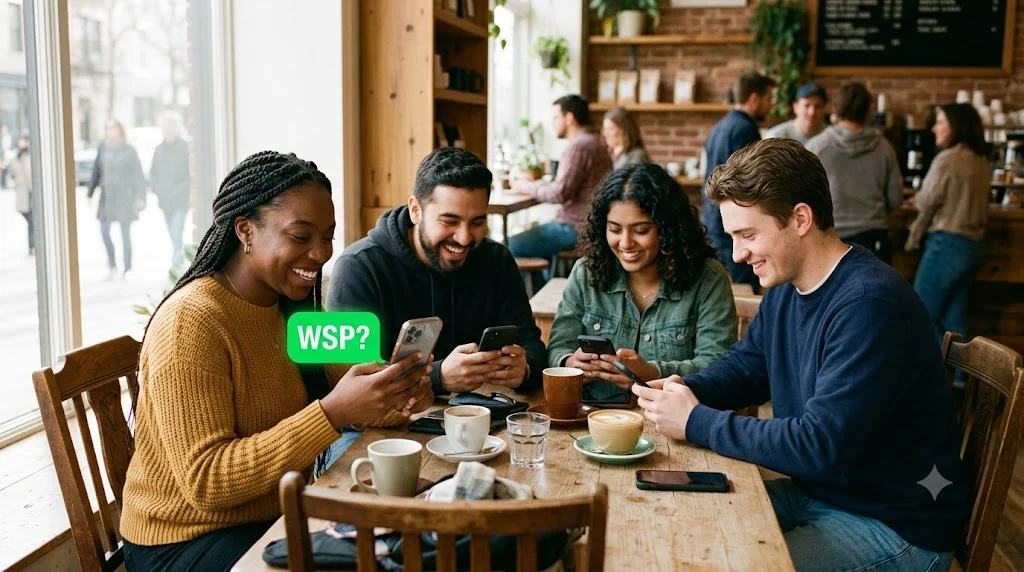
WSP is a popular texting abbreviation that stands for “What’s Up?” It is commonly used in text messages, social media, and chat apps as a casual way to greet someone or ask what they are doing. Instead of typing the full phrase “What’s up?”, people often use WSP to make conversations quicker and more informal.
You just opened your phone and saw a message that reads “WSP?” Your first instinct might be to panic. Did you miss something important? Is this some new acronym everyone knows except you? Take a deep breath because you are about to become an expert on exactly what this mysterious three-letter abbreviation means and how to use it like a pro.
The short answer is simple. WSP stands for “what’s up” in texting and social media slang. But there is so much more to this tiny abbreviation than meets the eye. Understanding the WSP meaning opens up a whole new level of digital communication fluency that will make you feel confident in any online conversation.
This comprehensive guide will walk you through everything you need to know about the WSP meaning in text, how it evolved, where it appears, and how to reply when someone sends it your way. We will explore the WSP definition across multiple platforms, dive into its cultural significance, and give you real examples you can actually use.
Ready to become a texting expert? Let us jump right in.
What Does WSP Mean?
Let us start with the absolute basics. The WSP definition is remarkably uncomplicated. WSP is a text abbreviation that stands for “what’s up.” That is it. When someone types these three letters, they are essentially asking how you are doing or what is happening in your life at that moment.
Think of WSP as the digital version of walking up to a friend and giving a casual nod. It is the verbal equivalent of a friendly wave across a crowded room. The WSP meaning in texting revolves entirely around initiating contact without overcomplicating things.
The beauty of this abbreviation lies in its simplicity. You do not need to craft a perfect opening line or worry about sounding too formal. WSP cuts through all that social awkwardness and gets straight to the point. It says “I am thinking about you” without requiring a long, elaborate message.
Here is what makes WSP particularly interesting. Unlike some texting abbreviations that have multiple interpretations, the WSP abbreviation is remarkably consistent. Whether you see it on Snapchat, Instagram, or WhatsApp, the meaning remains the same. This consistency makes it one of the most reliable and easy-to-understand slang terms in digital communication.
The Evolution of WSP
The WSP acronym did not appear out of nowhere. Its roots trace back to a cultural phenomenon that most people have completely forgotten about. Remember those Budweiser “Wassup” commercials from the late 1990s? They featured a group of friends calling each other and shouting “Wassup” in increasingly ridiculous ways.
Those commercials became a massive hit. Suddenly everyone was saying “wassup” instead of “what’s up.” The phrase embedded itself into pop culture so deeply that it outlasted the advertising campaign itself. Over time, internet users began shortening “wassup” even further until it eventually became WSP.
The journey from “what’s up” to “wassup” to WSP shows how language naturally evolves in digital spaces. We are constantly looking for faster, more efficient ways to communicate. WSP represents the peak of that evolution for this particular greeting. It is the shortest possible version while still being recognizable and understandable.
Why Three Letters Work So Well
You might wonder why people settled on WSP specifically. Why not just type “sup” or use any number of other abbreviations? The answer comes down to convenience and recognizability.
WSP uses three letters that appear frequently on phone keyboards. This makes it incredibly quick to type. The letters are positioned in a way that requires minimal finger movement. Compare that to typing out “what’s up” with its apostrophe and space. WSP is just faster.
Additionally, the three letters are distinct enough that they stand out in a message. Your brain recognizes WSP immediately as a greeting. It does not get confused with other common abbreviations. This clarity is essential in fast-moving text conversations where every second counts.
How WSP Works Across Different Platforms
One of the most useful things about the WSP meaning is its versatility. This abbreviation works across virtually every messaging platform and social media app. Let us explore exactly what WSP means on each major platform and how people use it differently.
What Does WSP Mean on Snapchat?
Snapchat users love WSP. This platform thrives on quick, casual communication, and WSP fits perfectly into that culture. When someone sends you a snap or a chat message saying WSP on Snapchat, they are simply checking in with you.
Snapchat’s unique feature is the visual nature of its communication. Often, someone will send a photo of themselves with the text “WSP” overlaid on the image. This combines visual context with the verbal greeting, making the interaction feel more personal and immediate.
You will frequently see WSP on Snapchat as part of streak maintenance. Users want to keep their streaks alive, so they send quick casual messages. WSP serves as the perfect low-effort message that still feels friendly and engaged.
The WSP meaning on Snapchat also extends to group chats. Friends will drop a WSP into a group conversation to see who is active and interested in chatting. It acts as a social ping that invites others to join the conversation without demanding an immediate response.
What Does WSP Mean on Instagram?
Instagram presents a slightly different context for WSP usage. On this visually-focused platform, WSP usually appears in Direct Messages. Someone might slide into your DMs with a simple “WSP” as an icebreaker or conversation starter.
Instagram’s aesthetic nature means people often send WSP alongside photos or memes. For example, someone might tag you in a funny post and then message “WSP” to get your reaction. The combination of visual content and verbal greeting creates a richer interaction.
You will also notice WSP on Instagram Stories. Users sometimes create question stickers that say “WSP?” and invite their followers to respond. This turns a simple greeting into an interactive engagement tool that can spark longer conversations.
The WSP definition on Instagram carries a slightly more social vibe than on other platforms. Because Instagram skews toward sharing life moments, a WSP message often implies genuine curiosity about what you are doing or how you are feeling.
What Does WSP Mean on TikTok?
TikTok has its own unique culture, and WSP fits right into it. On this platform, the WSP meaning often appears in video captions and comment sections. Creators might start a video with a casual “WSP” to establish a friendly, approachable tone.
TikTok comments frequently feature WSP as well. Someone might post a video of their daily routine and the first comment might be “WSP” from a viewer wanting to engage. It creates a sense of community and informality that TikTok users appreciate.
The casual nature of TikTok makes WSP particularly effective. The platform thrives on authenticity and relatability. WSP conveys exactly that vibe without requiring any elaborate setup or explanation.
What Does WSP Mean on WhatsApp?
WhatsApp presents an interesting case for WSP usage. This app is often used for more serious or important conversations compared to other platforms. Family chats, work groups, and close friend circles dominate WhatsApp communication.
In this context, the WSP meaning remains the same but carries slightly different weight. Using WSP on WhatsApp suggests a level of comfort and familiarity. You would probably not send WSP to a professional contact, but you might use it with family members or close friends.
Some people also use WSP on WhatsApp as shorthand for the app itself. While this is less common, it does happen. Someone might ask “Are you on WSP?” meaning “Are you on WhatsApp?” However, the standard interpretation still overwhelmingly points to “what’s up.”
What Does WSP Mean on Discord?
Discord servers create their own subcultures, and WSP appears frequently in these spaces. Gaming communities, hobby groups, and social servers all use WSP as a quick greeting between members.
The WSP meaning on Discord often carries a gaming context. Someone might type WSP before a match starts or after a round ends. It serves as both a greeting and an invitation to chat about the game or strategize for the next round.
Discord’s voice channels add another dimension to WSP usage. Someone might type WSP in the text chat while simultaneously being in a voice channel with the same person. This dual-mode communication is unique to Discord and shows how versatile the WSP definition can be.
The Real Reasons People Use WSP
Understanding the WSP meaning is one thing. Understanding why people choose to use it is another level entirely. Let us explore the psychology and social dynamics behind this popular abbreviation.
Efficiency Matters
Modern communication moves at lightning speed. We send and receive hundreds of messages every day. Anything that saves time while maintaining meaning is valuable. WSP saves you precious seconds with every use.
Consider the alternative. Typing out “what’s up” requires more keystrokes and more mental effort. Even “sup” takes a bit more typing than WSP. In the fast-paced world of texting, those small savings add up over time.
This efficiency explains why WSP has become so widespread. People instinctively gravitate toward the easiest option that still communicates their intended meaning. WSP hits that sweet spot perfectly.
Casualness Creates Connection
Formal language creates distance between people. Casual language builds bridges. WSP falls firmly into the casual category, which makes it excellent for building and maintaining social connections.
When you send someone a WSP, you are signaling that you feel comfortable with them. You are saying “we are friends, and I do not need to use formal language with you.” This implicit message strengthens social bonds.
The casual nature of WSP also lowers barriers to communication. Someone who might hesitate to send a longer, more formal message will happily fire off a quick WSP. This makes WSP perfect for initiating contact when you are not sure what to say.
The Appeal of In-Group Language
Using slang creates a sense of belonging. When you understand and use terms like WSP, you demonstrate that you are part of the in-group. This social signaling is powerful, especially for younger generations.
Teenagers and young adults have always developed their own language as a way of distinguishing themselves. WSP serves this function perfectly. Understanding the WSP meaning shows that you are culturally current and socially aware.
This does not mean older people cannot use WSP. Plenty of adults use this abbreviation regularly. However, the in-group dynamic explains why WSP has particular resonance among younger demographics.
The Conversational Catalyst
WSP does more than just say hello. It opens the door to deeper conversation. A simple WSP can lead to hours of texting, catching up, and sharing what is happening in each other’s lives.
Think about how many conversations start with a casual greeting. Almost all of them. WSP serves the same function as “hello” or “hey” but with more conversational momentum built in. It invites a response and encourages the other person to share something about their life.
This catalytic function makes WSP incredibly useful for maintaining relationships. You can reach out to someone with a quick WSP and let them decide how much they want to share in return.
How to Reply When Someone Sends WSP
Receiving a WSP message is easy. Responding appropriately requires a bit more thought. Let us explore the best ways to reply to WSP in different contexts and relationships.
The Simple Reply
For most casual situations, a straightforward reply works perfectly. You do not need to overthink your response or craft something elaborate. Here are some reliable options:
- “Not much, you?” This classic response acknowledges the question and returns the conversation to the other person. It is friendly, balanced, and invites further discussion.
- “Just chilling. What about you?” This slightly more specific response gives the other person a small window into your current state. It is casual without being boring.
- “NM” Short for “not much,” this abbreviation matches the casual energy of WSP. It keeps the conversation quick and low-pressure.
The Detailed Response
Sometimes you actually have something going on, and you want to share. In these cases, a more detailed response works beautifully. Here is what that might look like:
- “Actually, I just finished a huge project at work. Feeling super relieved right now. How’s your day going?” This response provides real information while still engaging the other person.
- “Heading to the gym in a few minutes. Trying to stay consistent with my routine. What are you up to?” Sharing your plans gives the conversation direction and opens up new topics.
The Playful Response
If you are talking to someone with whom you have a close relationship, you can get a bit more creative with your WSP replies. Playful responses keep conversations fun and engaging.
- “Look who finally texted! I was starting to think you forgot about me.” This response calls out the other person in a friendly way while still acknowledging their greeting.
- “The question is, what’s up with YOU? I’ve been waiting for you to reach out.” Flipping the script keeps the conversation dynamic and shows you are happy to hear from them.
WSP Response Mistakes to Avoid
While replying to WSP is generally straightforward, some responses can accidentally derail conversations. Here are a few pitfalls to avoid:
Don’t overcomplicate things. WSP is casual. Responding with a long, detailed message about your life can feel overwhelming and mismatched to the tone of the conversation.
Don’t ignore the message. Even if you are busy, a quick “brb” or “ttyl” shows you acknowledge the person and will respond properly later. Ignoring a WSP entirely sends the message that you do not care.
Don’t be overly formal. Replying “I am doing quite well, thank you for asking” completely misses the casual vibe of WSP. Match the energy of the original message.
Common WSP Variations You Should Know
The WSP meaning stays consistent, but some variations exist depending on context and platform. Knowing these variations will make you even more fluent in digital communication.
WSP vs SUP vs WASSUP
These three abbreviations all mean essentially the same thing. However, they carry slightly different connotations and levels of formality.
| Abbreviation | Full Form | Vibe |
|---|---|---|
| WSP | What’s up? | Modern, efficient, very casual |
| SUP | What’s up? | Slightly older, still used, casual |
| WASSUP | What’s up? | Nostalgic, playful, extended version |
The difference mostly comes down to personal preference and generational usage. Younger people tend to use WSP more frequently. Older millennials might still use SUP or WASSUP out of habit.
WSP in Different Languages
Interestingly, other languages have developed their own equivalents of WSP. While the exact abbreviation might differ, the function remains the same. Here are a few examples:
- Spanish: “QTL” stands for “¿Qué tal?” which means “what’s up?”
- French: “CV” stands for “Ça va?” meaning “how’s it going?”
- German: “WW” stands for “Was geht?” meaning “what’s going on?”
These linguistic variations show that the need for quick, casual greetings exists across cultures. WSP just happens to be the English version that has gained the most traction globally.
When WSP Means Something Else
As mentioned earlier, WSP has alternative meanings in specific contexts. While these are far less common than “what’s up,” knowing them can prevent confusion.
Washington State Patrol: If you are in law enforcement or live in Washington state, WSP might refer to the state police agency. Someone saying “I saw WSP on the highway” probably means they saw a patrol car.
Web Service Provider: In tech and business contexts, WSP can refer to companies that provide web services. This usage appears in professional documentation and technical discussions.
Water and Sanitation Program: International development organizations sometimes use WSP to refer to programs focused on clean water and sanitation access.
White Skin Privilege: In social justice conversations, WSP occasionally appears as shorthand for this concept. This usage is highly context-dependent and relatively uncommon.
Working Steam Pressure: Engineers and industrial professionals might use WSP to measure steam pressure in systems. Obviously, this meaning would never appear in casual texting.
The key to understanding which WSP definition applies is simply context. If your friend texts “WSP?” they are asking about your day. If a coworker emails about “WSP implementation,” they are probably discussing web services.
The Cultural Significance of WSP
WSP represents more than just a convenient abbreviation. It reflects broader trends in how we communicate and connect with each other in the digital age.
Language Evolution in Real Time
Linguists have long studied how language evolves. Traditionally, these changes took generations to unfold. Digital communication has accelerated this process dramatically. WSP shows how new words and abbreviations can emerge and spread globally in just a few years.
The path from “what’s up” to “wassup” to WSP demonstrates linguistic adaptation. We constantly refine our language to match our changing communication needs. WSP represents one small piece of this ongoing evolution.
Generational Markers
Every generation develops its own linguistic markers. These markers signal belonging and create identity. WSP functions as a generational marker for younger people, particularly Gen Z and younger millennials.
This does not mean older people cannot use WSP. However, the abbreviation carries different cultural weight depending on age. A teenager using WSP seems natural. A person in their sixties using WSP might seem like they are trying to connect with younger people.
These generational dynamics add richness to the WSP meaning. It is not just a greeting. It is a signal of cultural awareness and generational identity.
The Democratization of Language
One fascinating aspect of WSP is how it transcends traditional language barriers. English speakers worldwide use WSP regardless of their native language. This creates a shared vocabulary that connects people across cultures.
A teenager in India, a student in Australia, and a young professional in Canada might all use WSP in the same way. This shared language builds bridges and creates a sense of global community.
The democratization of language through abbreviations like WSP shows how digital communication unites us. We develop common linguistic ground even when we come from vastly different backgrounds.
Advanced WSP Usage: Taking Your Texting Game to the Next Level
Once you have mastered the basics of WSP meaning, you can explore more advanced usage. These strategies will make your digital communication more effective and engaging.
Strategic WSP Deployment
Not every situation calls for WSP. Knowing when to use it and when to avoid it elevates your communication skills.
Effective WSP Use Cases:
- Opening conversations with friends you have not spoken to in a while
- Checking in on someone during a busy day
- Starting a group chat conversation
- Responding to someone’s social media story
- Breaking the ice with a new acquaintance
Less Effective WSP Use Cases:
- Professional communication with colleagues or clients
- Formal correspondence like cover letters or business proposals
- Serious conversations requiring careful wording
- Messages to someone you do not know well
Combining WSP with Other Elements
WSP works best when paired with other conversational elements. These combinations create richer, more engaging messages.
WSP + Emojis: Adding a smiley face or waving hand emoji softens the message and adds emotional context. “WSP 👋” feels warmer than a plain “WSP.”
Reading the Room
Effective communication requires awareness of the other person’s situation. When someone sends you WSP, they are usually open to conversation. But sometimes they just want a quick acknowledgment.
Signs Someone Wants to Chat:
- They send follow-up questions
- They share details about their own life
- They use enthusiastic emojis or punctuation
- They respond quickly to your replies
Signs Someone Is Just Checking In:
- They give brief responses
- They do not ask follow-up questions
- They use minimal punctuation or emojis
- They take a while to respond
Adjusting your response based on these signals shows social intelligence and strengthens relationships.
WSP in the Workplace: Proceed with Caution
The workplace presents unique challenges for WSP usage. Navigating these waters requires careful judgment and an understanding of professional norms.
When WSP Might Be Appropriate at Work
Some workplace cultures are more casual than others. In certain environments, WSP can work fine. Here are situations where WSP might be acceptable:
Internal Team Chats: If your company uses Slack or Teams and your team has a casual culture, WSP might be fine for internal communications.
Close Coworker Relationships: If you have developed friendships with specific coworkers, using WSP with them privately is usually okay.
Creative Industries: Advertising, media, tech startups, and other creative fields often have more relaxed communication norms.
When WSP Is Definitely Not Appropriate at Work
In most professional contexts, WSP simply does not belong. Avoid it in these situations:
Client Communication: Never use WSP with clients or external partners. It projects unprofessionalism and could damage business relationships.
Formal Emails: Any email that requires a professional tone should avoid WSP entirely. Stick to “hello,” “good morning,” or other standard greetings.
Job Applications: This should go without saying, but never use WSP in a cover letter, resume, or interview follow-up.
Manager Communications: Unless your manager explicitly uses WSP with you, avoid using it with them. Professional hierarchy matters in workplace communication.
The Professional Alternative
If you want to maintain a casual but professional tone, consider these alternatives:
- “Checking in” – Professional yet friendly
- “Quick question” – Specific and purposeful
- “Hope you’re well” – Warm without being overly casual
- “Following up” – Action-oriented and professional
These alternatives achieve similar goals to WSP without crossing professional boundaries.
The Future of WSP and Texting Slang
Language never stops evolving, and texting slang is no exception. Looking ahead, what does the future hold for WSP and similar abbreviations?
Will WSP Eventually Become Outdated?
All slang eventually fades or transforms. The “groovy” of the 1960s gave way to the “rad” of the 1980s, which gave way to the “lit” of today. WSP will likely follow a similar trajectory.
However, WSP has proven remarkably durable. It has been in use for over a decade and shows no signs of disappearing. The efficiency and clarity of WSP give it staying power that other slang terms lack.
What Could Replace WSP?
New abbreviations constantly emerge in digital communication. Some might eventually challenge WSP’s dominance:
- WYG: “What you got?” – A newer, more specific version
- WU: A further shortened version of “what’s up”
- HEY: Returning to basics with a straightforward greeting
Predicting exactly which abbreviation will win out is impossible. Language evolution follows unpredictable patterns shaped by culture, technology, and social dynamics.
The Role of AI and Auto-Complete
Technology increasingly influences how we communicate. Auto-complete features suggest words and phrases as we type. This can reinforce certain abbreviations while discouraging others.
WSP benefits from this technological shift. Many phone keyboards recognize WSP as a common abbreviation and suggest it automatically. This makes using WSP even easier and further entrenches its place in digital communication.
Similarly, AI-powered messaging apps might adapt to user preferences, learning which abbreviations individuals use most frequently. This personalization could create even more linguistic variation across different communities.
Building Your Digital Communication Vocabulary
Understanding WSP is just one piece of the digital communication puzzle. Building a comprehensive vocabulary of texting abbreviations will make you more fluent and confident online.
Essential Texting Abbreviations to Know
| Abbreviation | Meaning | Context |
|---|---|---|
| LOL | Laughing out loud | Humor response |
| BRB | Be right back | Temporary absence |
| IDK | I don’t know | Uncertainty |
| IMO | In my opinion | Sharing perspective |
| TBH | To be honest | Candid statements |
| BTW | By the way | Additional information |
| DM | Direct message | Private communication |
| AFK | Away from keyboard | Gaming or chat absence |
| FOMO | Fear of missing out | Social anxiety |
| GOAT | Greatest of all time | High praise |
| ICYMI | In case you missed it | Sharing information |
| OTP | One true pair | Shipping characters |
| SMH | Shaking my head | Disappointment |
| TBH | To be honest | Genuine admission |
| TL;DR | Too long; didn’t read | Summarizing lengthy content |
Learning these abbreviations will make you more comfortable across all digital platforms. Each one serves a specific purpose and fills a particular communication need.
The Danger of Over-Abbreviating
While abbreviations like WSP are useful, using too many can create confusion. Striking the right balance is essential for effective communication.
Signs You Are Over-Abbreviating:
- Your messages require a decoder to understand
- You frequently have to explain what you meant
- People respond more slowly to your messages
- Your messages feel cold or impersonal
How to Find the Right Balance:
- Match the other person’s abbreviation usage
- Save abbreviations for casual conversations
- Spell things out when clarity matters
- Mix full sentences with abbreviations
WSP in the Context of Digital Etiquette
Understanding the WSP meaning is one thing. Understanding the etiquette surrounding its use is another. Let us explore the unwritten rules of WSP usage.
The Responsibility of the Sender
When you send someone WSP, you are starting a conversation. This comes with certain social responsibilities. You should be prepared to continue the conversation if the other person responds.
Sending WSP to someone and then ignoring their reply is poor etiquette. It signals that you were not genuinely interested in connecting. This can damage relationships and make people hesitant to respond to you in the future.
Similarly, avoid sending WSP to people who are obviously busy. If someone has posted about being overwhelmed or stressed, a casual “WSP” might feel insensitive. Timing matters in digital communication.
The Responsibility of the Receiver
Receiving a WSP message also carries some social obligations. While you are not required to respond immediately, ignoring the message entirely can be hurtful.
Even a brief response shows you value the person and their attempt to connect. A simple “Hey, busy right now, talk later” acknowledges the message while setting boundaries.
If you genuinely do not want to talk to someone, a quick “I’ll catch you later” is still better than complete silence. Directness, when delivered kindly, preserves relationships better than avoidance.
The Decline of Formal Greetings
Some people worry that abbreviations like WSP signal the decline of politeness in digital communication. This concern misses the broader context.
WSP does not replace more formal greetings. It serves a different purpose. You would still use “hello” or “good morning” in professional contexts. WSP simply gives us another tool for casual communication.
The expansion of our linguistic toolbox is a good thing. Having multiple ways to greet someone allows us to match our language to the situation. This flexibility improves communication overall.
Teaching Others About WSP
Once you have mastered the WSP meaning, you might find yourself explaining it to others. This is a wonderful opportunity to share your knowledge and help someone else navigate digital culture.
How to Explain WSP to Someone
When explaining WSP, keep it simple and relatable. Here is an effective approach:
“WSP means ‘what’s up.’ It’s just a quick way to say hello and ask how someone is doing. People use it all the time in texting and social media. It’s super casual, so you would use it with friends but not in work emails.”
This explanation covers the basics without overwhelming the person with too much detail. If they ask follow-up questions, you can dive deeper into context and alternative meanings.
Handling Skepticism
Some people, particularly older individuals, might be skeptical of WSP and other texting abbreviations. They might view them as lazy or indicative of declining language skills.
When faced with this skepticism, remember that language has always evolved. Every generation develops its own expressions and shortcuts. WSP is simply the latest iteration of this ancient human process.
You might also point out that efficiency does not equal laziness. Using WSP saves time and energy that can be redirected toward more substantive communication. This reframing often helps skeptics understand the value of abbreviations.
The Psychology Behind WSP
Why do we gravitate toward certain abbreviations over others? The psychology of language offers some fascinating insights into WSP usage.
Cognitive Efficiency
Our brains are wired to seek efficiency. We naturally prefer the path of least resistance. WSP represents the path of least resistance for a casual greeting.
When you type WSP, your brain processes the abbreviation quickly and efficiently. You do not need to think about spelling, punctuation, or grammar. The automatic nature of WSP makes it effortless to use.
This cognitive efficiency explains why abbreviations like WSP spread so quickly. They reduce cognitive load, making communication easier and more pleasant.
Social Signaling
Using abbreviations like WSP sends subtle social signals. It shows that you are part of the digital community. It demonstrates that you understand current communication norms.
This social signaling is particularly important for younger people who are still establishing their identities. Using WSP correctly signals belonging to peer groups. Using it incorrectly signals that you are out of touch.
Emotional Connection
Despite its casual nature, WSP creates emotional connection. When someone sends you WSP, they are thinking about you. They are taking time from their day to reach out.
This small gesture builds bonds over time. Regular WSP exchanges can strengthen friendships and maintain connections that might otherwise fade.
WSP in Popular Culture
WSP has made its way into popular culture beyond just texting. Understanding this cultural footprint adds depth to the WSP meaning.
Music References
Several songs have referenced WSP or its variants. These references cement the abbreviation in cultural consciousness:
- “Wassup” by A$AP Rocky – This track samples the iconic Budweiser commercial, connecting modern hip-hop to the original phrase.
- “What’s Up” by 4 Non Blondes – While this classic song predates the abbreviation, it has been sampled and referenced in ways that keep the phrase relevant.
- Various hip-hop and pop songs have used “wassup” and similar greetings, contributing to the cultural cachet of the phrase.
Social Media Memes
WSP appears regularly in memes and viral content. These humorous interpretations add layers to the WSP meaning:
- Memes showing someone receiving a WSP message and panicking because they do not know what it means
- Funny responses to WSP that subvert expectations, like detailed accounts of someone’s day when a simple answer was expected
- Generational humor contrasting how different age groups respond to WSP
The Budweiser Legacy
The Budweiser “Wassup” commercials deserve particular attention. They aired during major events like the Super Bowl, reaching massive audiences. The campaign became one of the most memorable advertising efforts of the late 1990s.
These commercials transformed “wassup” from a casual greeting into a cultural touchstone. People repeated the phrase constantly, integrating it into everyday conversation. The WSP abbreviation represents the final stage of this linguistic journey.
WSP and Mental Health
This might seem like an odd connection, but WSP actually relates to mental health in meaningful ways. Understanding this connection makes the WSP meaning even richer.
Social Connection Matters
Regular social connection is essential for mental health. Even small interactions like a quick WSP exchange can improve mood and reduce feelings of isolation.
When someone checks in with a WSP, they are offering a lifeline. They are saying “I see you, and I care about how you are doing.” This simple gesture can be surprisingly powerful.
Reducing Communication Barriers
Anxiety often makes communication difficult. People who struggle with social anxiety might hesitate to reach out to others. WSP lowers the barrier to communication.
The casual, low-pressure nature of WSP makes it easier to initiate contact. Someone who might feel overwhelmed by the prospect of a longer message can comfortably send a quick WSP.
The Dark Side
Of course, WSP can also be used in unhealthy ways. Someone might send constant WSP messages to control or manipulate others. This behavior is a red flag for unhealthy relationships.
Similarly, relying exclusively on abbreviated communication can prevent deeper connection. WSP should supplement, not replace, more substantive conversations.
Practical Tips for Mastering WSP
By now, you should have a comprehensive understanding of the WSP meaning. These practical tips will help you apply this knowledge in real situations.
When to Use WSP
Use WSP when you want to:
- Check in with someone casually
- Start a conversation without pressure
- Respond to someone’s social media post
- Break the ice with a new acquaintance
- Keep a group chat active
When Not to Use WSP
Avoid WSP when you need to:
- Communicate professionally
- Discuss serious or sensitive topics
- Connect with someone you do not know well
- Send formal correspondence
- Express complex emotions
How to Respond to WSP
Keep your response:
- Brief and casual
- Honest but not oversharing
- Open-ended to encourage conversation
- Appropriate to your relationship with the sender
- Timely without being rushed
FAQs
Is WSP the Same as WU?
WSP and WU (meaning “what’s up”) are essentially the same. However, WSP is far more common. You will rarely see WU used in real conversations, while WSP appears constantly.
Can You Use WSP in a Sentence?
Absolutely! Here are some examples:
- “Just checking in, WSP?”
- “WSP everyone? Who wants to hang out tonight?”
- “I saw your Instagram story, WSP with all those crazy outfits?”
Is WSP Professional?
No, WSP is strictly casual. Keep it out of professional contexts entirely.
Does WSP Ever Mean Something Bad?
Not usually. WSP is almost always a friendly greeting. The alternative meanings discussed earlier appear only in specific professional contexts.
Should I Use WSP if I’m Not Young?
You can use WSP at any age if you are comfortable with it. Just be aware that it signals casual communication. Younger people might see you as trying to be “cool,” but most will simply appreciate the friendly gesture.
Conclusion
You have now explored every aspect of the WSP meaning. From its origins in Budweiser commercials to its current status as a global texting abbreviation, WSP represents a fascinating piece of digital culture.
Understanding WSP and other texting abbreviations makes you more fluent in modern communication. You can navigate conversations with confidence, knowing exactly what people mean and how to respond appropriately.
The most important thing to remember about WSP is its purpose. It is a tool for connection. Use it to make communication easier and more enjoyable.
Every WSP you send is an opportunity to brighten someone’s day. That small gesture of reaching out matters more than you might realize. So the next time you wonder how to start a conversation, just type those three letters and see where the conversation goes.
WSP is not just an abbreviation. It is an invitation. It is a door opening to connection, conversation, and community. Step through that door confidently, and you will find that digital communication becomes more natural, more fun, and more meaningful than ever before.
Discover More Related Articles:
- Womp Womp Mean | The Sound Effect Turned Internet Expression In 2026
- Pushin P Mean | The Viral Phrase Everyone Is Using Online In 2026

Jessica Brown is a language-focused writer who creates well-researched articles on word meanings, abbreviations, and everyday expressions. She contributes to meanvoro.com, delivering simple, reliable, and reader-friendly content designed to make complex terms easy to understand.