
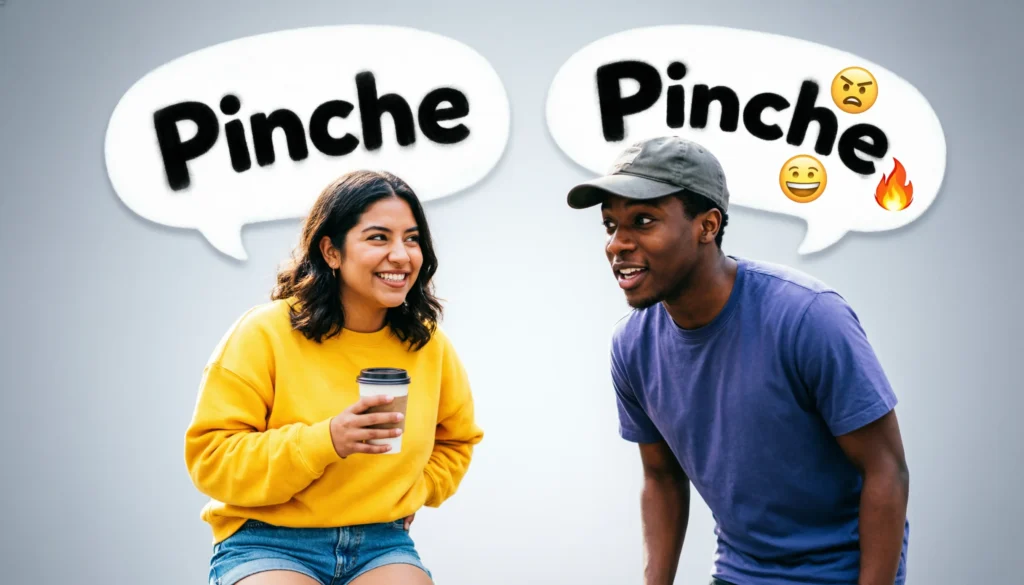
Definition:
“Pinche” is a Spanish slang word that can mean “damn,” “freaking,” or “stupid” in English, depending on context. It is often used as an intensifier similar to “bloody” or “freaking” and can carry a negative, sarcastic, or sometimes playful tone.
If you’ve ever heard someone say “pinche” in a movie, song, or conversation, you probably noticed it carries a certain punch. It’s one of those words that doesn’t have a single exact English translation it shifts meaning based on tone, situation, and even the speaker’s attitude.
So, what does “pinche” mean in English? Is it rude? Can you use it casually? And why is it so common in everyday Spanish conversations?
In this complete guide, you’ll learn:
- The exact meaning of pinche in English
- Where the word comes from
- How it’s used in real-life situations
- Whether it’s offensive or playful
- Better alternatives for polite conversation
Let’s break it down in a simple, clear, and practical way.
Origin of “Pinche”
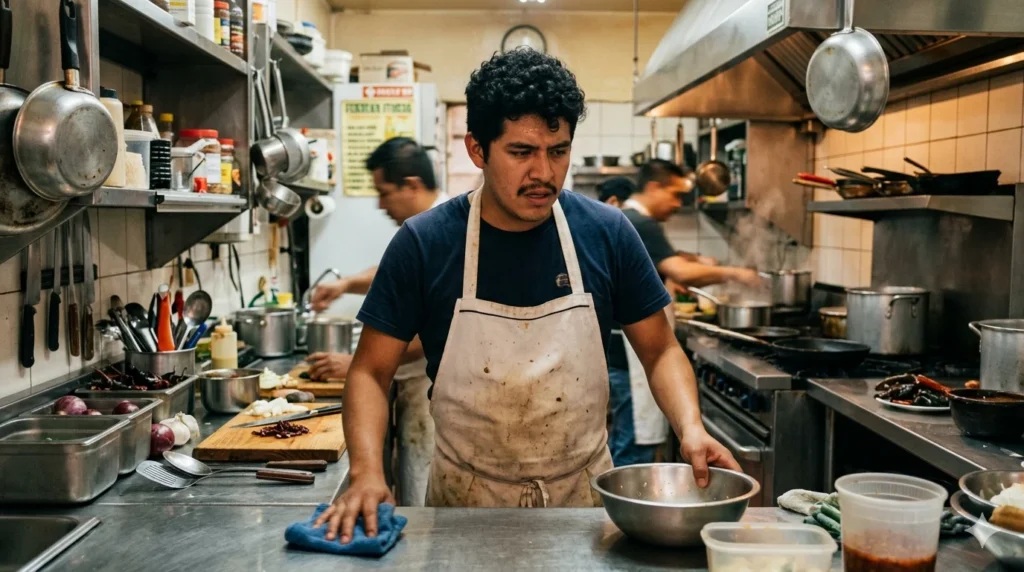
The word “pinche” originally comes from older Spanish usage, where it referred to a kitchen assistant or helper (like a low-ranking worker in a kitchen).
Over time, especially in Mexican Spanish, its meaning evolved dramatically. Instead of referring to a job role, it became a slang intensifier often used to express frustration, annoyance, or emphasis.
How the Meaning Shifted:
- Old meaning: kitchen helper, assistant
- Modern slang: insult, emphasis word, or expression of irritation
Today, in most casual conversations, the original meaning is rarely used. Instead, you’ll mostly hear it as slang.
What Does “Pinche” Mean in English?
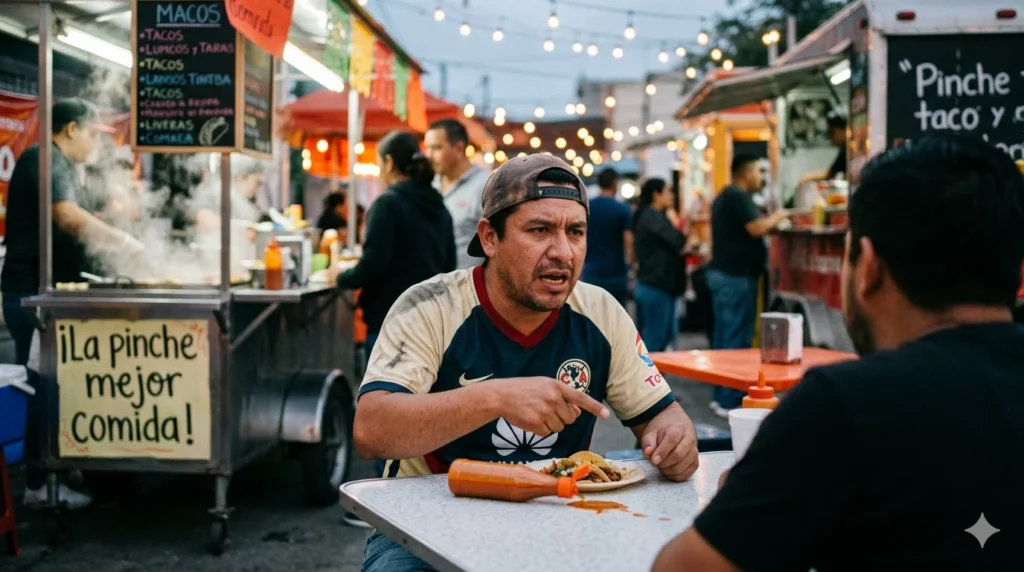
There’s no one-word translation, but here are the most common English equivalents depending on context:
- “Damn”
- “Freaking”
- “Bloody” (British English)
- “Stupid”
- “Annoying”
- “Useless”
Pinche Meaning in English:
In English, pinche is a Spanish slang term often used to express annoyance, anger, or emphasis, similar to “damn,” “stupid,” or “bloody,” depending on the context.
Its exact meaning can vary based on the sentence and tone, and it is most commonly used in Mexican Spanish.
How “Pinche” Is Used in Real Life
“Pinche” is usually placed before a noun to emphasize it.
Common structure:
Pinche + noun
Examples:
- Pinche tráfico → “Damn traffic” 🚗
- Pinche problema → “Stupid problem”
- Pinche calor → “Freaking heat” ☀️
It’s often used when someone is:
- Annoyed
- Frustrated
- Complaining
- Being sarcastic
Tone and Context: Friendly vs Negative
The meaning of pinche depends heavily on tone and relationship between speakers.
1. Negative / Insulting Tone 😠
Used to criticize or insult something or someone.
- Pinche idiota → “Stupid idiot”
- Pinche servicio → “Terrible service”
👉 In this case, it can sound rude or aggressive.
2. Casual / Playful Tone 😄
Among friends, it can be less harsh and more like “freaking” or “damn.”
- Pinche juego está difícil → “This freaking game is hard”
- Pinche clima loco → “Crazy weather, man”
👉 Here, it’s more expressive than offensive.
3. Sarcastic Tone 🙃
Sometimes used humorously or sarcastically.
- Ah sí, pinche suerte… → “Yeah, great luck…”
👉 Tone of voice makes all the difference.
Is Pinche a Bad Word?
Pinche is generally considered a mild swear word or slang term in Mexican Spanish. It is often used to express frustration, annoyance, or criticism and can sound rude depending on the context. While it is not among the strongest Spanish insults, it may be inappropriate in formal settings or when speaking to people you do not know well.
Examples of “Pinche” in Sentences
Here are real-world examples with English translations and tone explanation:
| Spanish Sentence | English Meaning | Tone |
|---|---|---|
| Pinche tráfico me hizo tarde | Damn traffic made me late | Frustrated |
| Ese pinche teléfono no sirve | That stupid phone doesn’t work | Negative |
| Pinche calor hoy | Freaking heat today | Casual |
| Pinche examen estuvo difícil | That exam was really hard | Neutral/Casual |
| Pinche suerte la mía | Just my luck (sarcastic) | Sarcastic |
Is “Pinche” a Bad Word?
Short answer: It can be but not always.
When it’s considered rude:
- Directed at a person (pinche idiota)
- Said in formal settings
- Used aggressively
When it’s more acceptable:
- Among friends
- Used jokingly
- Referring to situations, not people
👉 Think of it like “damn” or “freaking” in English it depends on context.
Popularity and Cultural Usage
“Pinche” is especially common in:
- Mexican Spanish 🇲🇽
- Movies and TV shows
- Street conversations
- Social media memes
It’s often used to:
- Add emphasis
- Express emotion quickly
- Sound more natural and informal
Because of its widespread use in pop culture, many non-Spanish speakers recognize it even if they don’t fully understand it.
Comparison with Similar Spanish Slang
Let’s compare pinche with other commonly used Spanish slang words:
| Word | Meaning in English | Tone |
|---|---|---|
| Pinche | Damn / Freaking | Mild to strong |
| Maldito | Damn / Cursed | Stronger, more formal |
| Jodido | Messed up / screwed | Vulgar |
| Estúpido | Stupid | Direct insult |
| Carajo | Damn! / What the hell | Emotional/exclamatory |
Alternate Meanings of “Pinche”
Although rare in modern usage, pinche can still mean:
- Kitchen assistant (historical meaning)
- Low-level worker (formal/old usage)
However, in everyday conversation, people almost always use it as slang.
Polite and Professional Alternatives
If you want to avoid sounding rude or informal, here are better options:
Instead of “pinche” (negative tone):
- “Very” (e.g., very difficult)
- “Really”
- “Extremely”
- “Frustrating”
- “Unfortunate”
Example:
- ❌ Pinche problema
- ✅ “This is a very frustrating problem”
👉 These alternatives are safer for:
- Work environments
- Formal writing
- Professional communication
Usage Tips: When to Use or Avoid “Pinche”
Use it when:
- Talking casually with friends
- Expressing frustration informally
- Understanding Spanish slang
Avoid it when:
- Speaking in professional settings
- Talking to strangers
- Addressing someone directly
👉 If you’re unsure, it’s better to skip it.
Common Mistakes to Avoid
1. Using it in formal situations
It can sound unprofessional or disrespectful.
2. Directing it at people
This makes it more offensive.
3. Misunderstanding tone
Same word = different meanings depending on delivery.
FAQs
1. What does “pinche” literally mean in English?
It doesn’t have a direct literal translation, but it usually means “damn,” “freaking,” or “stupid” depending on context.
2. Is “pinche” a swear word?
Not exactly, but it can be considered mildly offensive slang depending on how it’s used.
3. Is “pinche” used in all Spanish-speaking countries?
It’s most common in Mexican Spanish, though it may be understood elsewhere.
4. Can “pinche” be used in a funny way?
Yes! Among friends, it’s often used jokingly or playfully.
5. Is it rude to call someone “pinche”?
Yes. When directed at a person, it becomes insulting.
6. What is a softer alternative to “pinche”?
You can use “really,” “very,” or “so.” These are more polite and neutral.
7. Why is “pinche” so popular?
It’s short, expressive, and adds emotion making it perfect for casual speech and pop culture.
8. Can beginners use “pinche” safely?
It’s better to understand it first before using it. Use cautiously to avoid sounding rude.
9. What does pinche mean in Spanish?
Pinche is a Spanish slang word, especially common in Mexico, used to emphasize annoyance, frustration, or criticism, similar to saying “damn” or “stupid” in English.
Conclusion
“Pinche” is one of those versatile slang words that packs a lot of emotion into a single expression. While it often translates to “damn” or “freaking” in English, its true meaning depends heavily on tone, context, and who you’re speaking to.
If you’re learning Spanish or just curious about slang, understanding words like pinche helps you connect more naturally with real conversations but always use it wisely.
Discover More Related Articles:
- Perseverance Mean in the Bible: Lessons from Paul, Job, and Jesus for 2026
- Subdue Meaning in the Bible: Lessons for 2026

Ryan Thompson is an experienced content writer specializing in slang terms, texting abbreviations, and word meanings. He writes for meanvoro.com, where he creates accurate and easy-to-understand language content for readers.