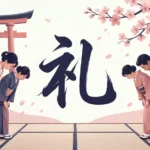
Kanji are Japanese writing characters borrowed from Chinese that represent meaning rather than sound.
Each kanji usually has its own meaning and can be read in different ways depending on context.
In simple terms, kanji are meaning based characters used in Japanese writing.
If you have ever studied Japanese or seen Japanese writing, you have probably noticed complex characters that look very different from the alphabet. These characters are called kanji, and they play a huge role in the Japanese language.
Understanding what kanji means in Japanese is essential for anyone interested in the language, culture, anime, manga, or Japanese history. Kanji are not just symbols. They carry meaning, history, and structure that shape how Japanese is written and understood.
This guide explains kanji in a clear and friendly way, even if you are a complete beginner.
Why Kanji Is So Important in Japanese
Kanji are essential because Japanese writing relies on them to express meaning clearly and efficiently. Without kanji, many words would look identical when written using only phonetic scripts.
Kanji are used to:
• Represent ideas, objects, and actions
• Reduce confusion between similar sounding words
• Add clarity and precision to written Japanese
• Express complex meanings in a compact form
Most Japanese sentences include a mix of kanji, hiragana, and katakana.
Origin and History of Kanji
Kanji originated in China over 2,000 years ago. These characters were introduced to Japan around the 5th century through trade, religion, and cultural exchange.
Originally, Japanese had no written system, so kanji were adapted to fit the Japanese language. Over time, Japan developed its own readings and ways of using these characters.
This is why many kanji have:
• A Chinese based reading
• A Japanese based reading
• Multiple meanings depending on usage
What Kanji Literally Means
The word kanji is written as 漢字.
• 漢 refers to China or Chinese culture
• 字 means character or letter
So, kanji literally means Chinese characters.
How Kanji Is Used in Japanese Writing
Kanji are mainly used for:
• Nouns
• Verb roots
• Adjective roots
• Names of people and places
They are usually combined with hiragana to show grammar such as tense or politeness.
Example:
• 食べる
食 is kanji meaning eat
べる is hiragana showing verb form
Example Table Common Kanji and Meanings
| Kanji | Meaning | Example Word | English Meaning |
|---|---|---|---|
| 日 | Sun, day | 日本 | Japan |
| 人 | Person | 人口 | Population |
| 水 | Water | 水曜日 | Wednesday |
| 学 | Study | 学生 | Student |
| 山 | Mountain | 富士山 | Mount Fuji |
Kanji Readings Explained Simply
Most kanji have more than one reading.
Onyomi Reading
This is the Chinese based reading, often used in compound words.
Example
学 is read as がく in 学生
Kunyomi Reading
This is the native Japanese reading, often used when kanji stands alone.
Example
学ぶ is read as まなぶ meaning to study
This dual reading system is one reason kanji can feel challenging at first.
Kanji in Everyday Life
Kanji appear everywhere in Japan, including:
• Street signs
• Menus
• Newspapers
• Textbooks
• Anime subtitles
• Social media
Even basic daily tasks in Japan require recognizing common kanji.
Common Expressions Using the Word Kanji
• 漢字を勉強する
To study kanji
• 漢字が難しい
The Kanji is difficult
These phrases are common among Japanese learners.
Comparison Kanji vs Hiragana vs Katakana
| Script | Purpose | Example |
|---|---|---|
| Kanji | Meaning based characters | 食, 山, 学 |
| Hiragana | Grammar and native words | たべる |
| Katakana | Foreign words and names | テレビ |
All three are used together in modern Japanese writing.
Polite or Academic Alternatives to the Word Kanji
In academic or formal contexts, you may see:
• 漢字表記 meaning kanji notation
• 表意文字 meaning ideographic characters
These are more technical terms, mostly used in linguistics or education.
Alternate Meanings or Misunderstandings
Kanji does not mean:
• The Japanese alphabet
• A language on its own
• A drawing or picture
Kanji are characters with meaning, not pictures, even though they may look artistic.
FAQs
- What does kanji mean in Japanese?
- Kanji are meaning-based characters used in Japanese writing.
- Are kanji Japanese or Chinese?
- They originated in China but are fully adapted into Japanese.
- How many kanji are there?
- There are thousands, but about 2,000 are used in daily life.
- Do Japanese people use kanji every day?
- Yes, kanji are used in most written Japanese.
- Is kanji hard to learn?
- It takes time, but learning common kanji step by step is manageable.
- Can Japanese be written without kanji?
- Yes, but it becomes unclear and unnatural.
- Do all kanji have multiple readings?
- Most do, but some have only one common reading.
- Should beginners learn kanji early
Yes, starting with basic kanji is highly recommended.
Practical Tips for Learning Kanji
• Learn kanji with example words, not alone
• Focus on meaning before memorization
• Practice reading before writing
• Learn common kanji used in daily life
Consistency matters more than speed.
Conclusion
So, what does kanji mean in Japanese?
Kanji are meaning based characters borrowed from Chinese that form a core part of Japanese writing. They help express ideas clearly, reduce confusion, and connect modern Japanese to its historical roots.
By understanding kanji, you can:
• Read Japanese more accurately
• Understand meaning faster
• Recognize patterns in vocabulary
• Appreciate Japanese culture more deeply
Learning kanji may feel challenging at first, but it is one of the most rewarding steps toward true Japanese language understanding.
Search More Related Articles :
- VOC Paint Meaning: Low-VOC vs Traditional Paints Compared (2026)
- The Meaning of the Rainbow in the Bible : Explained for Christians (2026)

Ryan Thompson is an experienced content writer specializing in slang terms, texting abbreviations, and word meanings. He writes for meanvoro.com, where he creates accurate and easy-to-understand language content for readers.