
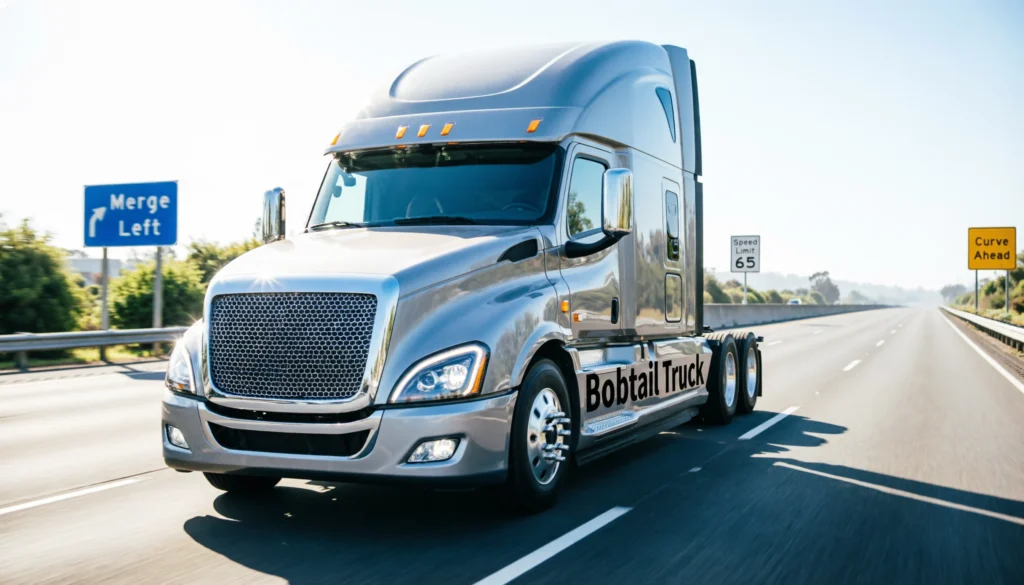
In trucking, “bobtail” refers to a tractor (truck) that is operating without a trailer attached. Bobtailing often occurs when a driver is repositioning the truck, going to pick up a load, or returning empty from a delivery.
If you’ve ever been around big rigs or read about trucking operations, you might have come across the term “bobtail” and wondered what it means. At first glance, it might sound like a casual or even humorous term, but in the trucking world, it has a very specific meaning that affects safety, handling, and regulations.
Operating a truck bobtail is very different from hauling a trailer. Drivers must adjust their speed, braking, and turning to compensate for the lack of trailer weight, which can make the tractor more prone to skidding or tipping in certain situations.
In this guide, we’ll break down what bobtail means in trucking, why it matters, the risks and safety considerations, regional usage, and real-world examples so you can understand the term like a pro.
Literal Meaning of “Bobtail” in Trucking
- Definition: A bobtail truck is a semi-truck tractor that is not pulling a trailer.
- Also known as: Operating “empty,” “running light,” or “without load.”
- Purpose: Bobtailing is usually done to move the tractor to a pickup location, return from a delivery, or travel between terminals.
Example:
- “The driver is bobtailing back to the terminal after delivering the load.”
- “Be careful while bobtailing; braking distances are shorter but stopping control can be tricky.”
Origin of the Term “Bobtail”
The term bobtail originally comes from horses. A bobtailed horse had a shortened or docked tail, and the word eventually became used metaphorically for trucks operating without their “trailing load” (trailer).
- Historical usage:
- 19th–20th century: Referred to animals or vehicles with a “shortened” appendage.
- 20th century trucking: Adopted to describe tractors without trailers.
When and Why Trucks Bobtail
Truckers often bobtail for several operational reasons:
- Returning empty from a delivery
- After dropping off a trailer, drivers may need to reposition the tractor.
- Example: “After delivering the refrigerated trailer, the driver bobtailed to the warehouse for the next load.”
- Heading to pick up a new trailer
- Bobtailing occurs when the tractor is en route to hook up with another trailer.
- Maintenance or inspection trips
- Moving the tractor to a shop or inspection station without a trailer.
Safety Considerations While Bobtailing
Bobtailing requires extra caution because the truck handles differently without the trailer weight.
Key Risks
| Risk | Description | Safety Tip |
|---|---|---|
| Skidding | The rear tires have less traction, especially in wet or icy conditions | Reduce speed, brake gently |
| Jackknifing | Less likely without a trailer, but sharp turns can still cause tipping | Take wider turns and slow down |
| Shorter stopping distance | Truck stops faster without trailer weight | Adjust braking and anticipate stops |
| Wind effects | Tractor more affected by crosswinds without trailer | Keep both hands on the wheel and reduce speed |
💡 Pro Tip: Always check tire pressure, distribute weight carefully, and maintain awareness while bobtailing. Even though there’s no trailer, the tractor itself is still heavy and dangerous if not handled properly.
Bobtail vs. Loaded Truck: Key Differences
| Feature | Bobtail (No Trailer) | Loaded Truck (With Trailer) |
|---|---|---|
| Weight | Lighter | Heavier |
| Braking | Shorter distance but can skid | Longer distance, more stable |
| Turning | Easier but risk of tipping if too fast | Requires wider turns |
| Fuel Efficiency | Slightly better | Less efficient due to load |
| Risk Factors | Skidding, wind effect | Trailer sway, jackknifing |
Summary: Bobtailing is lighter and faster in some respects but requires more skill to maintain stability and control.
Common Expressions With “Bobtail”
- “The driver is bobtailing back to the yard.” → Empty return trip
- “Bobtail insurance” → Special insurance coverage for trucks operating without trailers
- “Bobtail accident” → Incident involving a truck without a trailer
⚠️ Insurance Note: Many trucking companies require bobtail insurance because empty trucks can still cause severe accidents.
FAQs
- What does bobtail mean in trucking?
A tractor truck driving without a trailer attached. - Is bobtailing dangerous?
Yes, it handles differently than a loaded truck and requires extra care. - Why is it called “bobtail”?
It comes from horses with shortened tails and metaphorically refers to trucks without trailers. - Do bobtail trucks get better fuel efficiency?
Slightly, since there’s no trailer weight, but handling challenges can offset gains. - Do all truck drivers bobtail?
Most drivers will bobtail at some point to reposition or pick up loads. - What is bobtail insurance?
Insurance covering accidents while operating a truck without a trailer. - Is bobtail the same as running empty?
Yes, “running empty” is a casual way to describe bobtailing. - Can a bobtail truck jackknife?
Rare, but sharp turns or slippery conditions can still cause tipping or loss of control.
Conclusion
In the trucking industry, bobtail is a common and essential term that describes a tractor operating without its trailer. While it may sound simple, bobtailing introduces unique handling characteristics and safety challenges that every driver must understand.
From returning empty to picking up the next load, knowing how to operate a bobtail truck safely is crucial for both professional drivers and logistics managers.
Understanding this term not only improves your trucking knowledge but also helps when reading industry reports, watching trucking videos, or talking with drivers. Next time someone mentions a bobtail truck, you’ll know it’s not just missing a trailer it’s a whole different driving experience.
Discover More Related Articles:

Jessica Brown is a language-focused writer who creates well-researched articles on word meanings, abbreviations, and everyday expressions. She contributes to meanvoro.com, delivering simple, reliable, and reader-friendly content designed to make complex terms easy to understand.