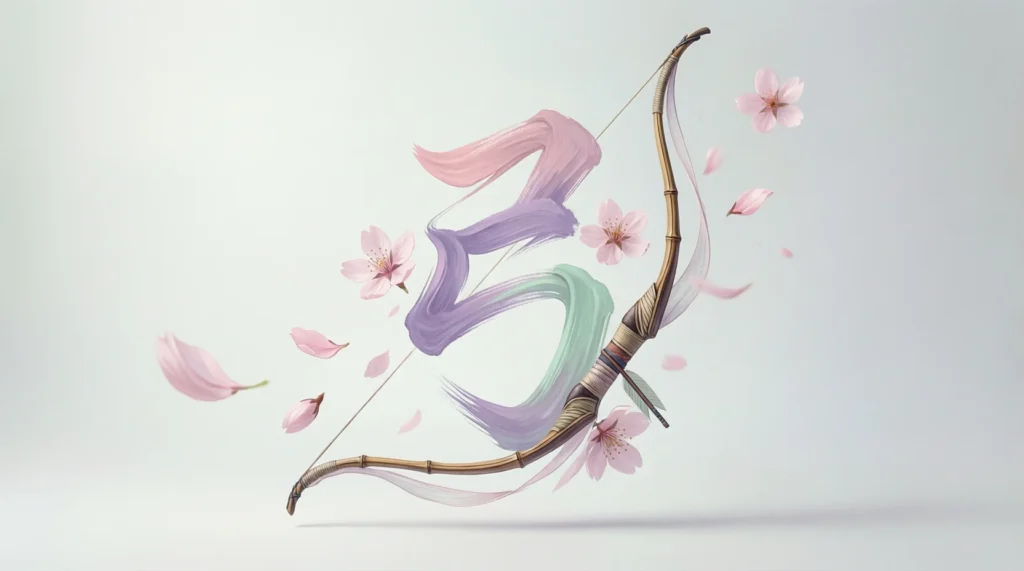
“Yumi” is a Japanese word and name that most commonly means “bow” (as in a traditional Japanese bow) or, when used as a given name, carries meanings such as “beauty,” “gentleness,” or “abundance,” depending on the kanji used.
The meaning of Yumi in Japanese is highly context-dependent. It can refer to a physical object, a cultural symbol, or a personal name with poetic meanings. This flexibility makes Yumi a fascinating and widely recognized Japanese term.
Origin of “Yumi”
The word yumi has deep roots in Japanese language and culture.
Linguistic Background
- Yumi (弓) is the traditional Japanese word for bow, especially the longbow used in archery.
- As a given name, Yumi is written using different kanji characters, each giving the name a unique meaning.
Cultural History
The bow (yumi) has been used in Japan for centuries, particularly in:
- Samurai warfare
- Traditional archery (Kyūdō)
- Ceremonial and spiritual practices
Over time, Yumi also became a popular female given name, admired for its soft sound and positive meanings.
Popularity and Real-World Usage
Yumi is widely used in Japan in two main ways:
1. As a Common Noun
- Refers to a bow, especially a traditional Japanese longbow.
- Often appears in historical, cultural, and martial arts contexts.
2. As a Personal Name
- Commonly used as a female name in Japan.
- Also recognized internationally due to Japanese pop culture, anime, and real-life public figures.
Because of its gentle pronunciation and meaningful kanji options, Yumi remains a timeless and popular name choice.
What Does “Yumi” Mean in English?
The English meaning of yumi depends on how it’s used:
| Usage | Meaning in English |
|---|---|
| Common noun (弓) | Bow (archery weapon) |
| Given name | Beauty, gentle beauty, abundance, reason, elegance (varies by kanji) |
There is no single fixed meaning for the name Yumi, which is typical of Japanese names.
Kanji Meanings of the Name “Yumi”
Japanese names gain meaning through kanji characters, and Yumi can be written in many beautiful ways.
Common Kanji Combinations
| Kanji | Meaning |
|---|---|
| 由美 | Reason + Beauty |
| 弓美 | Bow + Beauty |
| 優美 | Gentle + Elegant |
| 裕美 | Abundance + Beauty |
| 友美 | Friend + Beauty |
Each version reflects slightly different values, such as kindness, elegance, logic, or prosperity.
Examples
| Context | Japanese Example | English Meaning | Tone |
|---|---|---|---|
| Object | “弓を使います。” | “I use a bow.” | Neutral |
| Name | “由美さんは先生です。” | “Yumi is a teacher.” | Polite |
| Cultural | “弓道は日本の伝統です。” | “Kyūdō is a Japanese tradition.” | Formal |
| Compliment | “優美な動きですね。” | “Your movement is elegant.” | Positive |
| Casual | “ユミと会いました。” | “I met Yumi.” | Casual |
Tone and Usage Breakdown
Neutral and Informative
When referring to the bow (弓), yumi is neutral and factual.
Warm and Personal
As a name, Yumi often feels:
- Gentle
- Friendly
- Elegant
- Feminine
Cultural and Artistic
In literature and traditional arts, yumi can symbolize:
- Focus
- Discipline
- Grace
- Balance
Comparison With Related Japanese Terms
| Term | Meaning | Difference |
|---|---|---|
| Yumi (弓) | Bow | Traditional Japanese term |
| Kyūdō (弓道) | Way of the bow | Martial art |
| Ya (矢) | Arrow | Used with a bow |
| Hana (花) | Flower | Common name, nature-based |
| Ami (美) | Beauty | Often used in names |
Quick Tip:
Many Japanese female names include the kanji 美 (beauty), which is why Yumi sounds familiar and graceful.
Alternate Meanings
While yumi is most commonly:
- A bow
- A personal name
It can also appear as:
- A nickname
- A stylized name in anime or games
- A brand or stage name inspired by Japanese aesthetics
In all cases, the meaning depends on context and kanji choice.
Polite and Professional Alternatives
If you’re avoiding personal names or slang and want neutral language:
- 弓 (yumi) → Bow
- 弓道 (kyūdō) → Archery practice
- 美しい (utsukushii) → Beautiful
- 優雅 (yūga) → Elegant
These are useful in formal or educational settings.
Cultural Notes for Learners
- Japanese names do not have one fixed meaning.
- Kanji choice matters more than pronunciation.
- Asking how a name is written is polite and common in Japan.
- Yumi is widely considered a soft and positive name.
FAQs
- What does “Yumi” literally mean in Japanese?
It means “bow” when written as 弓 and has various meanings as a name depending on kanji. - Is Yumi a common Japanese name?
Yes, it is a popular and well-recognized female name. - Is Yumi used for boys or girls?
It is primarily used for girls. - What is the most common kanji for Yumi?
由美 and 優美 are among the most common. - Does Yumi mean beautiful?
Often yes, especially when the kanji 美 (beauty) is included. - Is Yumi used in anime and pop culture?
Yes, many characters and artists use the name. - Can Yumi be a nickname?
Yes, it is often used as both a given name and nickname. - Is Yumi respectful and safe to use?
Yes, it is polite, neutral, and culturally appropriate.
Practical Tips for Learners
- Always ask about kanji for names
- Do not assume a single meaning
- Use honorifics like “san” when addressing someone
- Learn context before translating names
- Appreciate names as cultural expressions
Conclusion
Yumi is a beautiful and meaningful Japanese word that blends language, culture, and identity. Whether referring to a traditional bow or a personal name, its meaning depends on context and kanji choice.
Understanding Yumi gives deeper insight into how Japanese language and names work beyond direct translation.
Discover More Related Articles:
- IDTS Mean in Text | TikTok, Snapchat, Instagram In 2026
- What Does Surreal Mean | Art & Literature In 2026

Jessica Brown is a language-focused writer who creates well-researched articles on word meanings, abbreviations, and everyday expressions. She contributes to meanvoro.com, delivering simple, reliable, and reader-friendly content designed to make complex terms easy to understand.