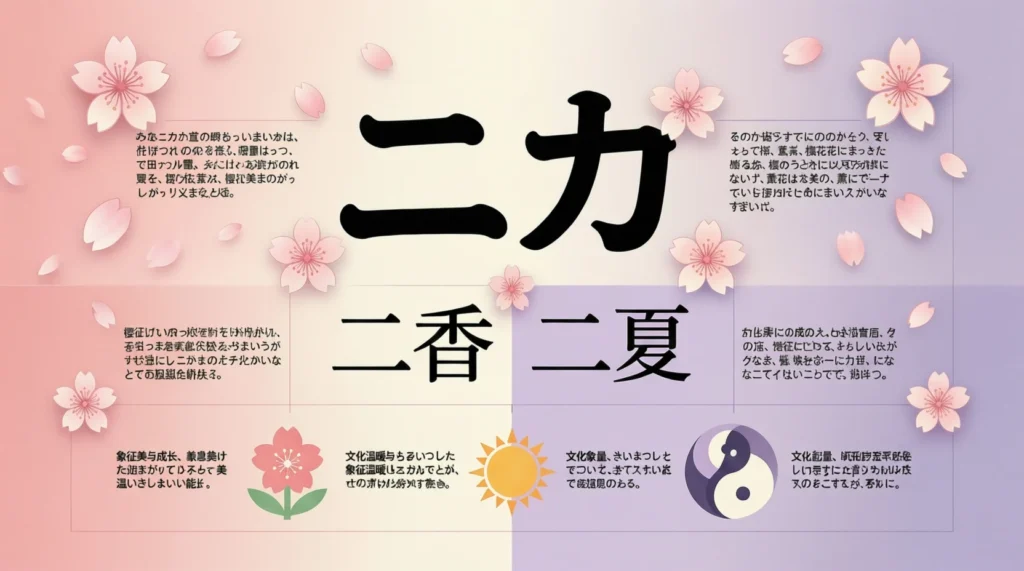
In Japanese, “Nika” (ニカ / にか) does not have one single fixed meaning. Its meaning depends on kanji, context, and usage. Most commonly, Nika appears as a name, a name ending, or a phonetic expression, and in modern pop culture it may also carry symbolic or fictional meanings.
If you’ve seen the word
nika in japanese, manga, names, or online discussions, its meaning can feel confusing at first. This guide explains every major interpretation clearly and naturally.
Nika Meaning in Japanese
In Japanese, “Nika (二価 / 二カ / ニカ)” is not a single fixed word with one universal meaning. Its meaning depends on the kanji (characters) and context in which it is used.
Most commonly:
- 二 (ni) means two
- 価 (ka) can relate to value or worth
So in some contexts, “nika (二価)” can refer to something with two values or two charges, often used in science or technical language.
In Popular Culture:
In modern usage, especially in anime/manga fandoms, “Nika” (ニカ) is also known as a name or nickname, and does not carry a deep literal meaning by itself.
Origin and Background of “Nika”
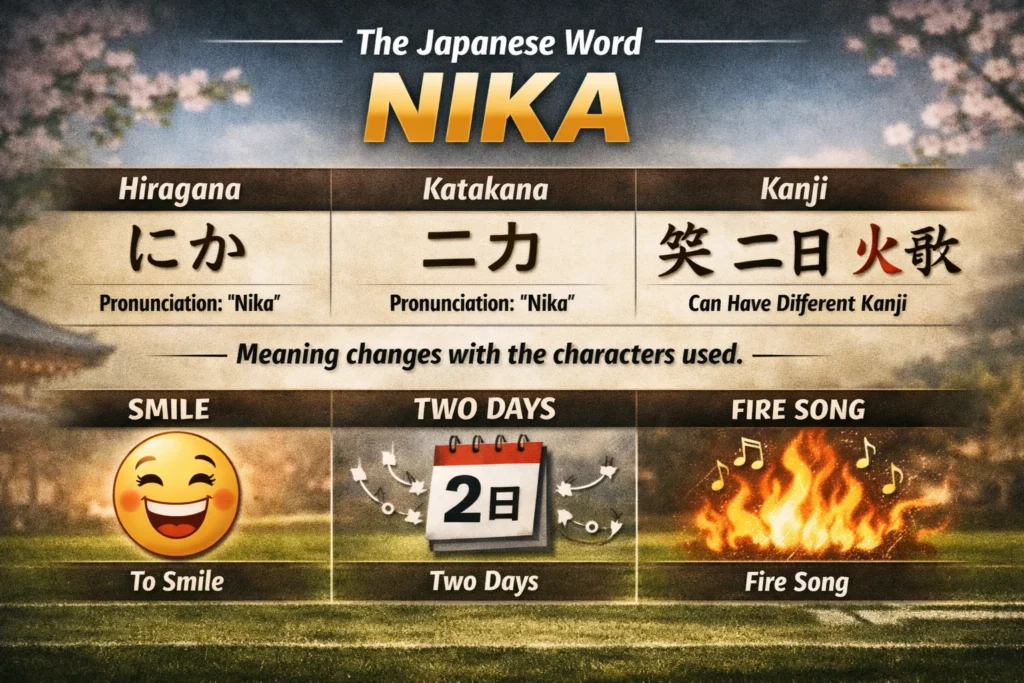
Japanese words often change meaning based on the kanji characters used. Unlike English, pronunciation alone does not determine meaning.
The sound “Nika” can be written in:
- Hiragana: にか
- Katakana: ニカ
- Kanji combinations (varies by meaning)
Because of this, Nika is flexible, not a dictionary-fixed word like “ありがとう” (thank you). Its meaning comes from how and where it’s used.
What Does Nika Mean in Japanese?
In Japanese, “Nika” (ニカ / 二花 / 仁香, etc.) is not a single fixed word with one universal meaning. Its meaning depends on the kanji characters used or the context in which it appears.
Most commonly, Nika is used as a name (usually a girl’s name) rather than a general vocabulary word.
Possible meanings of “Nika” in Japanese:
- 二花 (Nika) → “Two flowers” or “second flower”
- 仁香 (Nika) → “Kindness + fragrance”
- ニカ (Nika) → A phonetic spelling used for names or nicknames
How “Nika” Is Used in Japanese
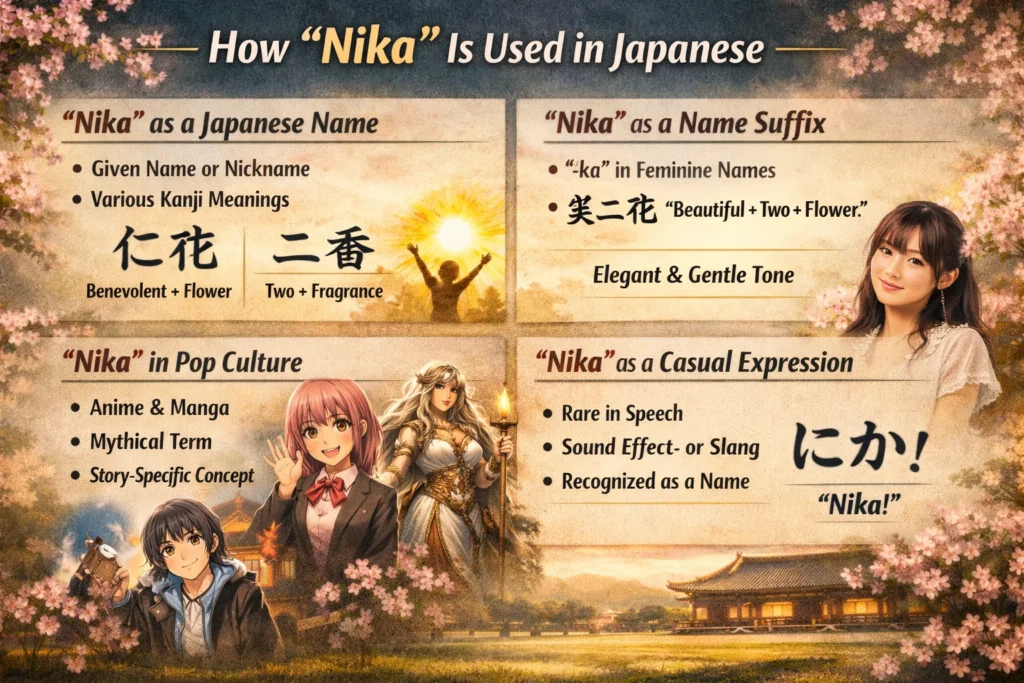
1. “Nika” as a Japanese Name
Nika is most commonly used as:
- A given name
- A nickname
- A name ending in longer names
Depending on the kanji, it can suggest ideas like:
- Light
- Smile
- Flower
- Harmony
- Two (二)
Example name kanji combinations:
- 仁花 (benevolent + flower)
- 二香 (two + fragrance)
Tone: Neutral to positive
Usage: Names, fiction, creative writing
2. “Nika” as a Name Suffix
In Japanese, -ka (花 / 香) is a popular name ending, especially in feminine names. When attached to Ni, it forms Nika.
Examples:
- 美二花 (beautiful + two + flower)
- 仁香 (kindness + fragrance)
This gives Nika a soft, elegant, and gentle tone.
3. “Nika” in Modern Pop Culture and Fiction
In anime, manga, and games, Nika may be used as:
- A symbolic name
- A mythical or fictional term
- A title or concept created by the author
In these cases, the meaning is story-specific, not traditional Japanese vocabulary.
Tone: Symbolic, dramatic, or powerful
Usage: Fiction, anime, fantasy worlds
4. “Nika” as a Phonetic or Casual Expression
Very rarely, nika (にか) may appear in casual or playful speech, but it is not a standard standalone word in daily Japanese conversation.
Native speakers usually recognize it as:
- A name
- A sound-based expression
- A fictional term
Example
| Context | Japanese Usage | Meaning / Role | Tone |
|---|---|---|---|
| Personal name | ニカ / 仁花 | Given name | Positive |
| Name suffix | 二香 | Two + fragrance | Gentle |
| Fiction | ニカ | Symbolic or mythical | Dramatic |
| Casual sound | にか | Informal phonetic use | Neutral |
Nika Translation in Japanese
In Japanese, “Nika” (ニカ / にか) does not have a single fixed meaning on its own, because it is not a standard standalone word in Japanese. Its meaning depends on context.
1. As a Sound / Expression
“ニカ (nika)” can represent a sound effect (onomatopoeia) for a wide or cheeky smile, like someone grinning confidently or mischievously.
2. As a Name
Nika (ニカ) is also used as a personal name in Japan and other cultures. In this case, it does not translate—it simply functions as a name.
Comparison With Similar Japanese Names or Sounds
| Word / Name | Meaning / Use | Difference From “Nika” |
|---|---|---|
| Mika | Common female name | More standard and common |
| Rika | Female name | More widely used |
| Niko | Smile or name | Often linked to “smile” |
| Hana | Flower | Clear dictionary meaning |
Tip:
If you hear Nika, it’s usually a name or fictional term, not a vocabulary word.
Alternate Meanings of “Nika”
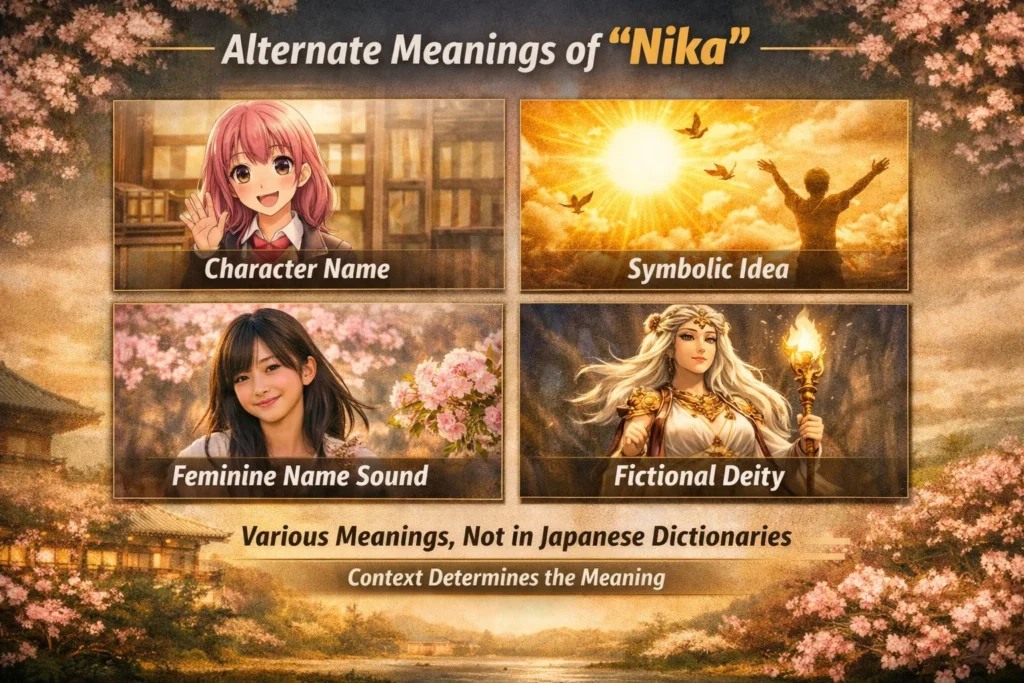
Depending on context, Nika may refer to:
- A character name
- A symbolic idea created by an author
- A soft feminine name sound
- A fictional deity or concept in storytelling
It does not have a single universal meaning in Japanese dictionaries.
Polite and Professional Alternatives
If your goal is clear communication in Japanese, avoid using Nika unless:
- You are referring to a name
- You are discussing a character or story
- You are using it intentionally as a stylistic choice
For clarity, use:
- Established nouns
- Recognized vocabulary
- Proper kanji explanations when naming
Common Mistakes to Avoid
- Assuming “Nika” has one fixed meaning
- Treating it as a common Japanese word
- Using it in formal writing without explanation
- Ignoring kanji context
Understanding kanji matters more than sound in Japanese.
FAQs
1. What does “Nika” mean in Japanese?
It depends on context. Most commonly, it is used as a name or fictional term, not a fixed dictionary word.
2. Is “Nika” a real Japanese word?
Not as a standard vocabulary item. It is mainly a name or phonetic expression.
3. Can “Nika” be a Japanese name?
Yes. It can be a given name or nickname depending on kanji.
4. Does “Nika” have kanji meanings?
Yes. Different kanji give it different meanings, such as flower, fragrance, or kindness.
5. Is “Nika” common in daily Japanese speech?
No. It is not commonly used as a standalone word.
6. Is “Nika” masculine or feminine?
It is usually gender-neutral, though often perceived as slightly feminine due to name endings.
7. Is “Nika” used in anime or manga?
Yes. It is often used symbolically or creatively in fictional works.
8. Should learners use “Nika” in conversation?
Only if referring to a name or story element. It’s not suitable for general conversation.
Conclusion:
“Nika” is not a single-meaning Japanese word but a context-driven term. Most often, it appears as a name, name ending, or fictional concept, with meaning shaped by kanji and storytelling rather than everyday vocabulary.
Understanding words like Nika helps learners appreciate how Japanese language blends sound, symbolism, and creativity, especially in names and pop culture.
Discover More Related Articles:
- The Color Red Mean in the Bible: Significance and Symbolism 2026
- Prudence Mean in the Bible: Lessons for Everyday Life in 2026

Madison Taylor is an experienced content writer who focuses on researching and explaining word meanings, slang, and texting terms. She writes for meanvoro.com, creating clear and accurate to help readers understand language easily.