
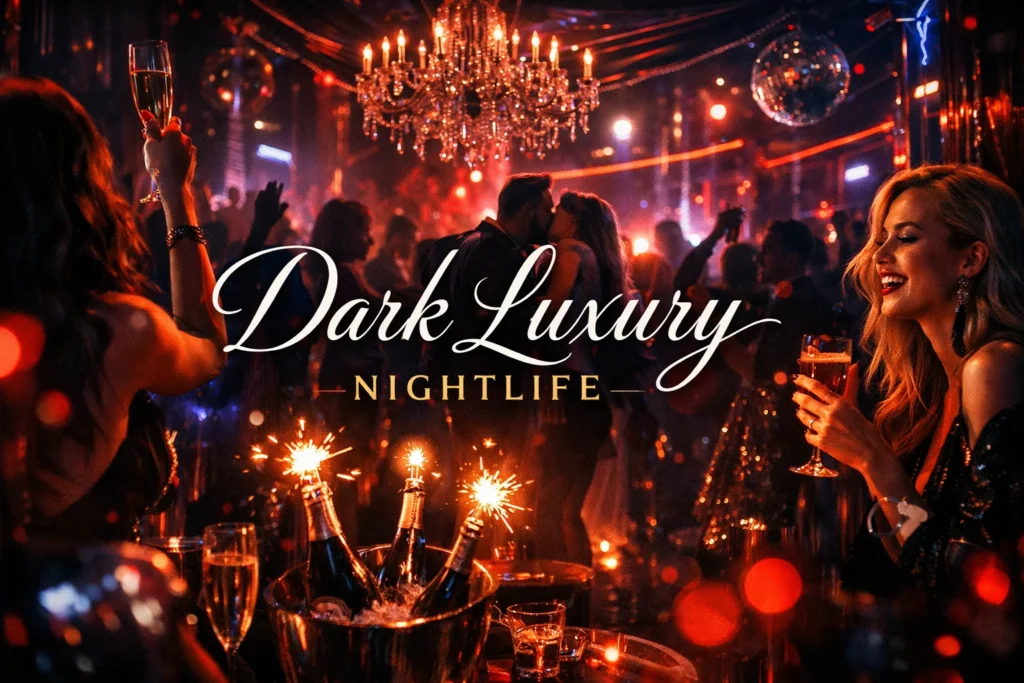
Definition
Debauchery is a word used to describe excessive indulgence in pleasures such as partying, drinking, gambling, or immoral behavior. It often refers to wild or reckless actions that ignore normal social standards or self-control.
The English language contains many words used to describe behavior, emotions, and lifestyles. One interesting but often misunderstood word is “debauchery.”
You may have seen this word in movies, books, social media captions, or historical discussions and wondered what it actually means. Debauchery is commonly associated with excessive partying, reckless living, or immoral activities.
Although the word sounds formal or old-fashioned, it is still used today in conversations, entertainment, and online content.
In this guide, we’ll explain:
- The meaning of debauchery
- Its origin and usage
- Examples in sentences
- Different contexts
- Similar words and comparisons
- Common mistakes
- FAQs
Let’s understand debauchery in a simple and clear way.
What Does Debauchery Mean?
Debauchery refers to extreme or excessive behavior focused on pleasure and enjoyment without concern for morals, discipline, or responsibility.
It is usually connected with:
- Heavy partying
- Excessive drinking
- Gambling
- Wild nightlife
- Reckless behavior
Simple Definition:
Debauchery = excessive pleasure-seeking behavior
Example:
- “The movie showed scenes of wealth, parties, and debauchery.”
Here, the word describes wild and uncontrolled behavior.
Origin of the Word Debauchery
The word “debauchery” comes from the French word débaucher, meaning “to lead away from duty or proper behavior.”
Over time, it became associated with:
- immoral living
- excessive pleasure
- lack of self-control
Today, the word is mostly used to describe extreme partying or morally reckless behavior.
How Debauchery Is Used in Conversations
Debauchery is commonly used in:
- Movies and TV shows
- Literature and novels
- Social media captions
- Party culture discussions
- Historical descriptions
Examples:
- “The city became famous for nightlife and debauchery.”
- “After the festival, there was total debauchery everywhere.”
- “The story follows a rich man’s life of debauchery.”
The word often has a dramatic or negative tone.
Debauchery in Different Contexts
1. Party and Nightlife Context
Used to describe wild celebrations or excessive partying.
Example:
- “The vacation turned into complete debauchery.”
2. Historical Context
Used when describing corrupt or immoral lifestyles in history.
Example:
- “The king was criticized for his debauchery.”
3. Entertainment and Media
Often used in movies, music, and celebrity culture.
Example:
- “The film portrays fame, luxury, and debauchery.”
4. Figurative Usage
Sometimes used humorously for overeating or overindulgence.
Example:
- “Holiday debauchery ruined my diet.”
Debauchery Meaning in Different Contexts Table
| Context | Meaning | Usage |
|---|---|---|
| Party Culture | Wild excessive behavior | Nightlife and celebrations |
| History | Immoral lifestyle | Kings, rulers, elites |
| Entertainment | Reckless pleasure-seeking | Movies and music |
| Casual Humor | Overindulgence | Food or spending jokes |
Synonyms of Debauchery
Here are some words similar to debauchery:
| Word | Meaning Difference |
|---|---|
| Excess | Too much of something |
| Immorality | Lack of moral principles |
| Corruption | Dishonest or unethical behavior |
| Wildness | Uncontrolled behavior |
| Indulgence | Enjoying pleasures freely |
Why People Use the Word Debauchery
People use “debauchery” because:
- It sounds dramatic and expressive
- It describes extreme behavior clearly
- It is common in storytelling and media
- It creates strong imagery in writing
The word is often used in:
- Novels
- Social media captions
- Entertainment journalism
- Historical discussions
Examples of Debauchery in Sentences
Casual Examples
- “The weekend trip turned into pure debauchery.”
- “Too much debauchery can lead to problems.”
Entertainment Examples
- “The movie was filled with scenes of luxury and debauchery.”
- “Rockstar lifestyles are often linked with debauchery.”
Historical Examples
- “The ruler’s debauchery angered the public.”
- “Ancient festivals were sometimes associated with debauchery.”
Humorous Examples
- “My cheat day became total food debauchery.”
- “Holiday shopping debauchery destroyed my budget.”
Debauchery vs Similar Words
| Word | Meaning | Difference |
|---|---|---|
| Debauchery | Excessive immoral pleasure | Strong dramatic tone |
| Partying | Social celebration | Neutral meaning |
| Indulgence | Enjoying pleasures | Less extreme |
| Corruption | Moral dishonesty | More serious/social |
| Excess | Too much behavior | General term |
Common Mistakes When Using Debauchery
1. Using it for normal fun
Debauchery refers to excessive or reckless behavior, not ordinary enjoyment.
2. Confusing it with happiness
The word has a negative or extreme tone, not a positive one.
3. Using it in formal professional communication
It is not suitable for workplace emails or serious academic writing unless discussing literature or history.
Is Debauchery Formal or Informal?
- Everyday speech: Semi-formal
- Literature: Formal
- Social media: Informal/dramatic
- Professional writing: Context-dependent
The word is commonly understood but sounds more sophisticated than basic slang.
FAQs
What does debauchery mean?
Debauchery means excessive indulgence in pleasure, partying, or reckless behavior.
Is debauchery a negative word?
Usually yes, because it often describes immoral or uncontrolled actions.
Can debauchery be used humorously?
Yes, people sometimes use it jokingly for overeating or spending too much.
What is an example of debauchery?
Wild partying, excessive drinking, or reckless nightlife behavior.
Is debauchery the same as partying?
No. Partying can be normal, while debauchery suggests excess and lack of control.
Where is the word debauchery commonly used?
It is common in movies, books, entertainment media, and dramatic storytelling.
Can debauchery describe food or shopping?
Yes, sometimes figuratively and humorously.
Conclusion
Debauchery is a powerful English word used to describe excessive pleasure-seeking behavior, wild partying, or reckless indulgence. It often carries a dramatic or negative tone and is commonly used in entertainment, literature, and social discussions.
Whether describing nightlife, luxury lifestyles, or humorous overindulgence, understanding the meaning of debauchery helps you recognize how the word is used in both serious and casual conversations.
- FB Full Form in Chat | Online Chatting & Messaging Apps In 2026
- High MCH Mean in a Blood Test: Causes, Symptoms & Treatment for 2026

Madison Taylor is an experienced content writer who focuses on researching and explaining word meanings, slang, and texting terms. She writes for meanvoro.com, creating clear and accurate to help readers understand language easily.