
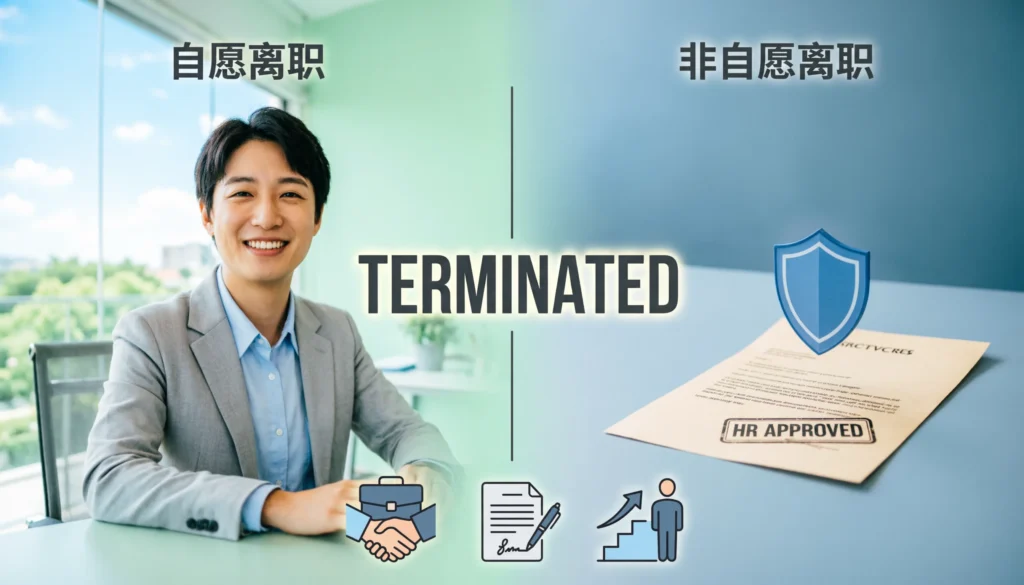
Definition:
In jobs, “terminated” means that an employee’s work contract or employment has been officially ended by the employer. This can happen for various reasons, including performance issues, company downsizing, or violation of policies.
Termination can be voluntary (resignation) or involuntary (fired or laid off), depending on the context.
Understanding the term terminated in the workplace is crucial, whether you’re a job seeker, an HR professional, or an employee trying to navigate your career. While the word can feel intimidating, knowing what it truly means, how it’s used, and how it compares to other employment terms can make discussions about your job status clearer and less stressful.
Origin and Popularity of “Terminated” in Jobs
The word terminated comes from the Latin word terminare, meaning “to end” or “to limit.” In the context of employment, it started being widely used in the 20th century in formal business communication and legal documentation.
Why it became popular:
- Professional tone: “Terminated” sounds formal and neutral in legal documents or HR reports.
- Clarity: It clearly indicates that an employment relationship has ended.
- Versatility: Can apply to different scenarios—fired, laid off, contract ended, or even mutual separation.
Over time, terminated became a standard term in employment letters, HR records, and even casual discussions among colleagues. Today, it’s a universally recognized way to describe the end of a job.
Usage of “Terminated” in Jobs
Using the word “terminated” correctly depends on the context. It can refer to:
- Involuntary Termination (Negative Tone ⚠️)
When an employee is let go due to performance, misconduct, or company decisions.- Example: “John was terminated due to repeated violations of the company’s safety protocols.”
- Voluntary Termination (Neutral/Friendly Tone 🙂)
When an employee ends their own employment, e.g., resignation.- Example: “She terminated her contract to pursue higher education.”
- Layoffs or Reductions (Neutral Tone 😐)
When companies downsize or restructure.- Example: “Due to budget cuts, several positions were terminated last month.”
Tip: While terminated can sound harsh, context matters. HR documents often use it as a neutral term to avoid emotional language.
Examples of “Terminated” in Context
Here’s a table to clarify how terminated is used across different tones and scenarios:
| Scenario | Sentence Example | Tone |
|---|---|---|
| Fired for misconduct | “David was terminated after repeated policy violations.” | Negative ⚠️ |
| Resignation | “Maria terminated her employment to start a new career.” | Neutral 🙂 |
| Company downsizing | “Several positions were terminated due to restructuring.” | Neutral 😐 |
| Contract ended naturally | “The temporary contract was terminated at the end of 6 months.” | Neutral 🙂 |
Notice how the tone can shift depending on whether it’s voluntary, involuntary, or company-driven.
Comparison with Similar Terms
It’s easy to confuse terminated with other job-related phrases. Here’s a quick comparison:
| Term | Meaning | Tone | Difference from “Terminated” |
|---|---|---|---|
| Fired | Employee is dismissed for poor performance or misconduct | Negative ⚠️ | More casual and emotional than “terminated” |
| Laid Off | Employee is let go due to economic reasons, not personal performance | Neutral 😐 | Usually temporary or due to external factors |
| Resigned | Employee voluntarily leaves the job | Neutral 🙂 | Self-initiated, not employer-driven |
| Contract Ended | Employment period ends naturally, e.g., contract completion | Neutral 🙂 | Planned, expected ending, less emotional |
| Let Go | General term for dismissal or redundancy | Neutral/Negative | Informal and less formal than “terminated” |
Pro Tip: In professional documents, terminated is preferred over fired or let go because it sounds neutral, clear, and legally appropriate.
Alternate Meanings of “Terminated”
Outside of jobs, terminated can mean “ended” in general contexts:
- Contracts: “The lease was terminated early by mutual agreement.”
- Processes or services: “The subscription was terminated due to non-payment.”
- Technology: “The program terminated unexpectedly.”
While these meanings are related, in the workplace it almost always refers to employment ending.
Polite or Professional Alternatives to “Terminated”
If you want a softer, more professional way to say “terminated,” consider:
- Separated from the company – Neutral, often used in HR
- Transitioned out of the role – Positive spin, emphasizes movement
- Position ended – Neutral, factual, non-emotional
- Contract concluded – Professional for temporary or fixed-term roles
Example:
Instead of saying: “He was terminated from the company.”
You can say: “He transitioned out of the company after five years of service.” ✅
FAQs
1. Is being terminated the same as being fired?
Not always. Being fired is a type of termination due to poor performance or misconduct, while termination can be voluntary, involuntary, or company-driven.
2. Can you be terminated without notice?
Yes, depending on your employment contract and local labor laws. Some terminations require notice, others are immediate.
3. Does termination affect unemployment benefits?
It depends. Involuntary termination (like layoffs) often qualifies for benefits. Being fired for misconduct may not.
4. How should I explain being terminated in an interview?
Keep it honest, neutral, and professional:
“My position was terminated due to company restructuring. I’m looking forward to new opportunities where I can contribute my skills.”
5. Can I challenge a termination?
Yes. If you believe it was unfair or unlawful, consult HR or legal advice. Keep records of performance reviews, emails, and contracts.
6. Is termination always negative?
No. It can be voluntary, like resigning or ending a contract, and sometimes leads to better opportunities.
7. How do I use “terminated” in a resume?
Generally, avoid negative language. Focus on achievements and role responsibilities. If explaining gaps, phrase as “role concluded due to company restructuring.”
8. Are there different types of termination?
Yes. Common types include:
- Voluntary: Employee resigns
- Involuntary: Fired for cause
- Layoff: Economic reasons
- Mutual agreement: Both parties agree to end employment
Practical Tips When Facing or Discussing Termination
- Stay professional: Avoid emotional reactions in official communication.
- Understand the type: Know if it’s voluntary or involuntary for benefits and references.
- Ask for clarification: HR can provide details on reason, documentation, and final pay.
- Document everything: Keep contracts, performance reviews, and emails.
- Plan next steps: Update your resume, LinkedIn, and start job searching if needed.
Conclusion
In the workplace, terminated simply means an employment relationship has ended. While it often carries a negative connotation, the word itself is neutral and widely used in professional settings. Understanding its usage, tone, and alternatives can help you communicate clearly and professionally in interviews, HR discussions, or career transitions.
By knowing the nuances of terminated, you can navigate workplace conversations with confidence, maintain professionalism, and protect your career trajectory.
Discover More Related Articles:
- Perseverance Mean in the Bible: Lessons from Paul, Job, and Jesus for 2026
- Subdue Meaning in the Bible: Lessons for 2026

Madison Taylor is an experienced content writer who focuses on researching and explaining word meanings, slang, and texting terms. She writes for meanvoro.com, creating clear and accurate to help readers understand language easily.