
Definition:
IKEA is an acronym, not a regular Swedish word.
The name stands for:
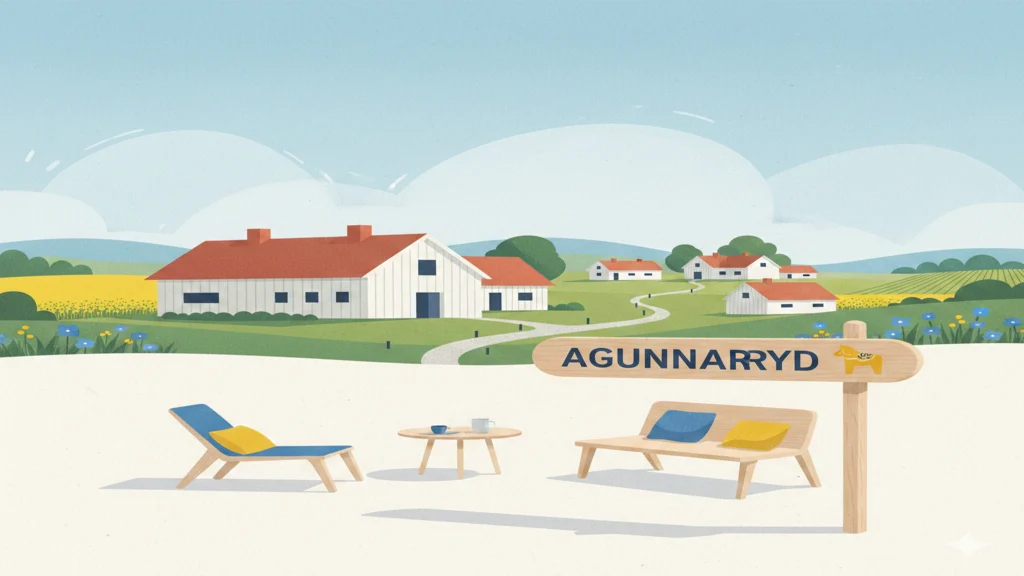
Ingvar Kamprad Elmtaryd Agunnaryd
It combines the founder’s name, his family farm, and his hometown in Sweden.
So technically, IKEA does not translate into a single Swedish word. It represents the company’s origins.
If you have ever shopped for affordable furniture, you have probably heard of IKEA. But have you ever wondered what the name actually means in Swedish?
Many people assume IKEA is just a random brand name. In reality, it has a very specific meaning connected to Swedish history, geography, and its founder.
In this guide, you will learn exactly what IKEA means in Swedish, where the name comes from, and why it matters.
Why the Name IKEA Is Important
The name IKEA reflects:
• The founder’s identity
• His rural Swedish background
• The company’s heritage
• A strong connection to Sweden
The brand identity has always emphasized simplicity, affordability, and Scandinavian design, and the name reinforces those roots.
Origin and History of IKEA
IKEA was founded in 1943 by Ingvar Kamprad, a Swedish entrepreneur.
The name is built from four parts:
• Ingvar, the founder’s first name
• Kamprad, the founder’s last name
• Elmtaryd, the family farm where he grew up
• Agunnaryd, the small village in southern Sweden where he was raised
Breaking Down the IKEA Name
Here is a simple breakdown:
| Letter | Meaning | Description |
|---|---|---|
| I | Ingvar | Founder’s first name |
| K | Kamprad | Founder’s surname |
| E | Elmtaryd | Family farm |
| A | Agunnaryd | Hometown village |
The name represents both family and location.
Is IKEA a Swedish Word
No, IKEA is not a standard Swedish vocabulary word.
It is an acronym made from proper names.
Why IKEA Uses Swedish Product Names
If you have ever noticed names like:
• BILLY
• MALM
• KALLAX
These product names are often Swedish words or Swedish place names.
The company continues this tradition to highlight its Scandinavian roots and brand identity.
IKEA and Swedish Culture
IKEA reflects several core Swedish values:
• Practicality
• Simplicity
• Functionality
• Minimalist design
The name reinforces authenticity and heritage, which helps the brand stand out globally.
FAQs
What does IKEA mean in Swedish?
IKEA is an acronym for Ingvar Kamprad Elmtaryd Agunnaryd.
Is IKEA a real Swedish word?
No, it is a name created from the founder’s personal and geographic background.
Who created the name IKEA?
Ingvar Kamprad, the founder of the company.
What does Elmtaryd mean?
It is the name of the family farm where Ingvar Kamprad grew up.
What does Agunnaryd mean?
It is the name of a small village in southern Sweden.
Why are IKEA products named in Swedish?
To reflect the company’s Swedish heritage and branding tradition.
Is IKEA still Swedish owned?
The company was founded in Sweden and maintains strong Swedish identity, although its corporate structure is international.
When was IKEA founded?
It was founded in 1943.
Interesting Facts About the IKEA Name
• The acronym has remained unchanged since the company began
• The brand name is easy to pronounce in many languages
• It reflects a personal story rather than a marketing invention
• The founder chose the name when he was only 17 years old
Conclusion
So, what does IKEA mean in Swedish?
It is not a traditional Swedish word. Instead, it is an acronym combining the name of founder Ingvar Kamprad, his family farm Elmtaryd, and his hometown Agunnaryd.
The name represents history, identity, and Swedish roots. It connects the global furniture giant back to a small rural village in Sweden.
Understanding the meaning behind IKEA shows how branding can carry personal history and national culture at the same time.
Discover More Related Articles:
- Lamentation Mean in the Bible: Why It Matters for Christians in 2026
- Adam Mean in the Bible: Symbolism, and Impact in 2026

Jessica Brown is a language-focused writer who creates well-researched articles on word meanings, abbreviations, and everyday expressions. She contributes to meanvoro.com, delivering simple, reliable, and reader-friendly content designed to make complex terms easy to understand.