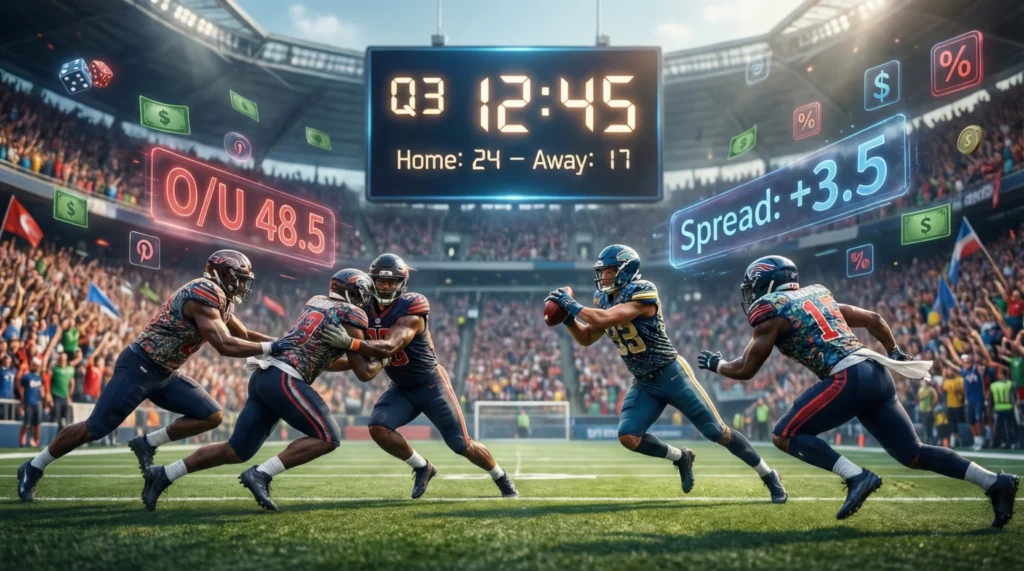
Shaving points in football refers to a form of sports manipulation where players, referees, or coaches intentionally underperform or allow a team to lose by a small margin to affect betting outcomes or match results.
This practice is considered illegal and unethical and can result in severe penalties, including fines, suspensions, or lifetime bans.
Football fans and bettors often hear about games where the final score seems unusually close or suspicious. In many cases, this might involve shaving points, a tactic used to subtly influence the outcome of a match in terms of point spreads without overtly changing who wins or loses.
Understanding this concept is crucial for anyone interested in the integrity of football and the betting world.
Origin of the Term “Shaving Points”
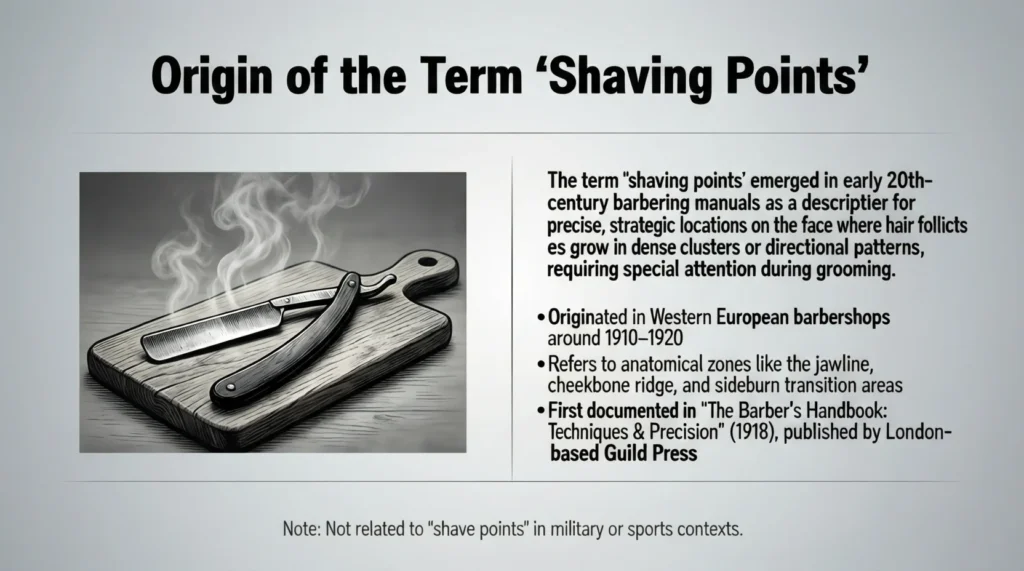
The term “shaving points” originates from the betting world, particularly from point spread betting. In football, point spreads are used to level the playing field in gambling.
For example, if one team is heavily favored to win, a sportsbook may set a spread, e.g., -7. If the favored team wins by more than 7 points, bettors on that team win. If it wins by less, the underdog bettors win.
Shaving points emerged as a concept in the early 20th century when organized gambling became intertwined with professional sports.
Players or officials could intentionally allow a favored team to win by fewer points than expected or lose slightly to influence gambling outcomes. The term “shaving” reflects the idea of trimming or slightly altering the expected outcome.
Popularity and Real-World Usage
Shaving points became notorious in professional football and other sports when several scandals surfaced over the decades. Notable incidents include:
- NFL point shaving scandals in the 1940s–1950s: Some players were caught intentionally underperforming to manipulate game results.
- College football gambling scandals: Student-athletes were often approached to shave points to benefit gamblers.
Even today, the term is used in both professional and amateur football contexts when discussing unethical or suspicious behavior related to betting. It also appears in media reports, sports forums, and fan discussions to describe controversial games where the final score seems unusually close.
How Shaving Points Works
Shaving points usually involves subtle underperformance rather than an outright loss. Common methods include:
- Missing easy passes or tackles.
- Avoiding scoring opportunities.
- Making deliberate errors at crucial moments.
The goal is to manipulate the point spread without making the game outcome obvious to fans, officials, or coaches. Essentially, the team still tries to win or appear competitive but does so just below the betting expectations.
Example
| Scenario | Point Spread | Actual Outcome | Effect on Betting |
|---|---|---|---|
| Team A favored by 10 points | -10 | Wins by 6 | Bettors on Team B win |
| Team B underdog | +10 | Loses by 9 | Bettors on Team A win |
This table illustrates that even a slight alteration in performance can influence gambling outcomes significantly.
Examples of Shaving Points in Football
Here are some examples in different tones to understand how the term is used:
- Friendly tone: “Looks like Team X barely made the spread—maybe someone was shaving points, huh? 😅”
- Neutral tone: “Several analysts suspected point shaving in the match because the underdog team lost by fewer points than expected.”
- Negative/dismissive tone: “That game was clearly rigged. The players were shaving points to favor certain bets. 🤦♂️”
These examples show how the term can be casually mentioned in conversation or seriously analyzed in sports journalism.
Comparison with Related Terms
| Term | Definition | Difference from Shaving Points |
| Match-fixing | Manipulating the outcome of a match | Shaving points is a type of match-fixing focused on point spreads rather than the overall outcome |
| Spot-fixing | Manipulating a specific event or play | Spot-fixing targets a single moment, while shaving points targets the final margin |
| Point spread | Betting term to balance teams | Shaving points manipulates the spread without necessarily changing the winner |
Understanding these related terms helps differentiate between general corruption and the specific act of shaving points.
Alternate Meanings
Although predominantly used in sports, “shaving points” can occasionally appear metaphorically in business or academics to describe minor underperformance to meet certain expectations subtly. However, this usage is far less common.
Polite or Professional Alternatives
When discussing the concept in professional or journalistic contexts, you might prefer these terms:
- Point spread manipulation
- Score margin tampering
- Performance manipulation
These alternatives convey the same meaning without using slang or potentially sensational language.
FAQs
- What is the main purpose of shaving points in football?
- The primary purpose is to manipulate betting outcomes by influencing the final score margin.
- The primary purpose is to manipulate betting outcomes by influencing the final score margin.
- Is shaving points illegal in football?
- Yes, it is illegal and considered unethical in professional and collegiate football.
- Yes, it is illegal and considered unethical in professional and collegiate football.
- How is shaving points different from match-fixing?
- Shaving points specifically targets the margin of victory to affect bets, while match-fixing focuses on altering the overall outcome of the game.
- Shaving points specifically targets the margin of victory to affect bets, while match-fixing focuses on altering the overall outcome of the game.
- Can fans detect shaving points?
- It can be difficult to detect unless there are clear patterns or insider revelations.
- It can be difficult to detect unless there are clear patterns or insider revelations.
- What penalties exist for shaving points?
- Penalties can include fines, suspensions, lifetime bans, and legal consequences.
- Penalties can include fines, suspensions, lifetime bans, and legal consequences.
- Does shaving points happen in amateur football?
- While less common, it can occur in leagues or tournaments where gambling is involved.
- While less common, it can occur in leagues or tournaments where gambling is involved.
- Are there famous examples of point shaving?
- Yes, historical cases in the NFL and college football are well-documented, often leading to major scandals.
- Yes, historical cases in the NFL and college football are well-documented, often leading to major scandals.
- What is a professional way to refer to shaving points?
- Use terms like point spread manipulation or score margin tampering for a formal tone.
Conclusion
Shaving points in football is a serious ethical issue that affects the integrity of the sport and betting markets. While the term originated from gambling contexts, it has become part of sports discussions when controversial games arise.
Recognizing the signs and understanding the terminology helps fans, analysts, and professionals communicate clearly about these incidents.
Discover More Related Articles:
- JOI Mean in Porn | Understanding the Adult Content Slang Term In 2026
- The Root Tele Mean in Television | Understanding the Word’s Origin In 2026
- Closed Circle Mean in Math |The Symbol Most Students Misunderstand In 2026

Madison Taylor is an experienced content writer who focuses on researching and explaining word meanings, slang, and texting terms. She writes for meanvoro.com, creating clear and accurate to help readers understand language easily.