Definition
“Lord” in Hebrew most commonly translates to Adonai (אֲדֹנָי), meaning “my Lord” or “master.” It is a respectful and reverent term used for God in Jewish tradition, often replacing the sacred name YHWH when reading scripture aloud .
If you’ve ever read the Bible or explored Hebrew texts, you’ve probably come across the word “Lord” countless times. But here’s the interesting part it’s not just one word in Hebrew. Instead, multiple Hebrew terms are translated as “Lord,” each carrying its own depth, tone, and meaning.
Understanding what “Lord” means in Hebrew opens a door to richer interpretation of scripture, deeper cultural insight, and a clearer grasp of how ancient language expresses reverence, authority, and relationship with God.
Let’s break it all down in a simple, clear, and engaging way 👇
Origin of “Lord” in Hebrew
The English word “Lord” is actually a translation of several Hebrew terms found in ancient texts, especially the Hebrew Bible (Tanakh). These words developed over centuries and reflect different aspects of authority, divinity, and respect.
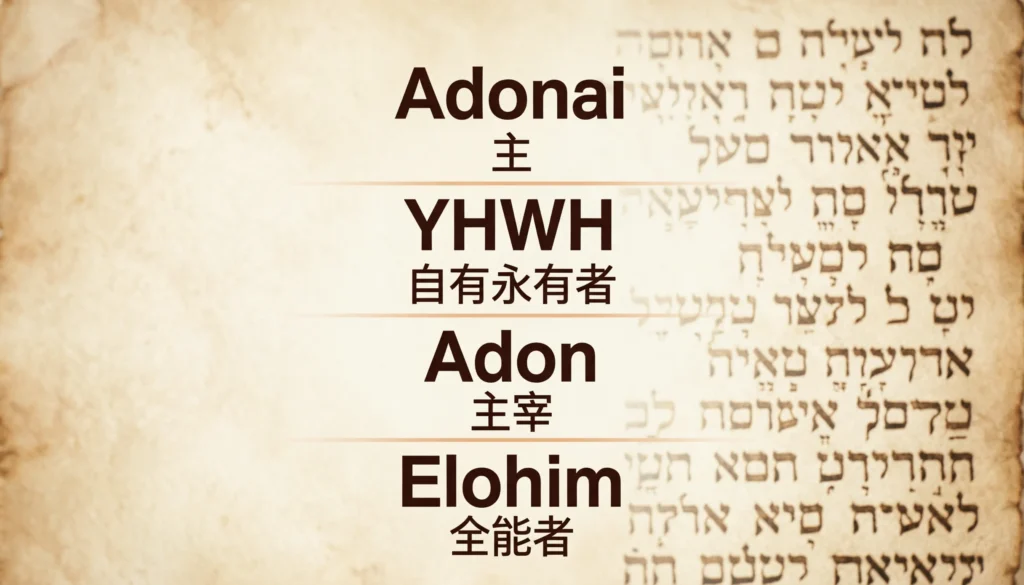
Key Hebrew Words Translated as “Lord”
- Adonai (אֲדֹנָי)
- Meaning: “My Lord”
- Usage: Spoken substitute for God’s sacred name
- Tone: Reverent, respectful
- YHWH (יהוה)
- Meaning: The personal name of God (often called Yahweh)
- Usage: Written in scripture, but not pronounced aloud
- Tone: Sacred, divine
- Adon (אָדוֹן)
- Meaning: “Lord,” “master,” or “owner”
- Usage: Can refer to humans or God
- Tone: Neutral to respectful
- Elohim (אֱלֹהִים)
- meaning: “God” (plural form but singular meaning)
- Usage: Emphasizes power and authority
- Tone: Majestic, authoritative
Why “Adonai” Is Used Instead of YHWH
In Jewish tradition, the name YHWH is considered too holy to pronounce. So when reading scripture aloud, people say Adonai instead.
Example
- Written text: YHWH
- Spoken form: Adonai
This practice shows deep respect and reverence for God’s name.
Popularity and Historical Usage
The Hebrew word for “Lord” has been widely used for thousands of years, especially in:
- Religious texts (Torah, Psalms, Prophets)
- Prayer and worship
- Formal and respectful speech in ancient times
Over Time
- Ancient Hebrew: Used for kings, masters, and God
- Biblical Hebrew: Primarily used for God
- Modern Hebrew: Less common in everyday speech but still used in religious contexts
Real-World Usage of “Lord” in Hebrew Context
Let’s explore how these words function in real life:
1. Religious Context
- “Adonai is merciful and gracious.”
- Used in prayers, sermons, and scripture readings
2. Historical Context
- “He served his lord faithfully.”
- Refers to a human master or ruler
3. Cultural Context
- Used to express deep respect or submission
Example Table: Hebrew Words for “Lord”
| Hebrew Word | Meaning | Usage Context | Tone |
|---|---|---|---|
| Adonai | My Lord | God (spoken) | Reverent 🙏 |
| YHWH | God’s name | Written scripture | Sacred ✨ |
| Adon | Lord/Master | Humans or God | Neutral |
| Elohim | God | Divine power | Majestic ⚡ |
Examples with Tone and Context
Understanding tone helps you use or interpret these words correctly.
Friendly / Devotional Tone
- “Adonai guides me every day 🙏”
→ Expresses faith and trust
Neutral Tone
- “The servant obeyed his adon.”
→ Simple master-servant relationship
Formal / Reverent Tone
- “Adonai Elohim reigns forever.”
→ Highly respectful and religious
Negative / Dismissive (Rare)
- In Hebrew, using “Lord” negatively is uncommon due to its respectful nature
Comparison with Related Terms
Let’s compare Hebrew “Lord” with similar concepts:
| Term | Language | Meaning | Key Difference |
|---|---|---|---|
| Lord | English | Authority figure | General term |
| Adonai | Hebrew | My Lord (God) | Specific to divine reverence |
| Yahweh (YHWH) | Hebrew | God’s name | Not spoken aloud |
| Rabbi | Hebrew | Teacher | Not a “lord” figure |
| King | English | Ruler | Political authority |
Alternate Meanings of “Lord”
While primarily religious, “Lord” can also mean:
- A person with authority (master, ruler)
- A title of respect (historical nobility)
- A spiritual authority figure
However, in Hebrew, the meaning is more focused and sacred, especially when referring to God.
Usage Tips and Best Practices
If you’re writing or studying Hebrew terms:
✔️ Do
- Use Adonai in religious or respectful contexts
- Understand the difference between Adon and Adonai
- Recognize that YHWH is not pronounced
❌ Don’t
- Use “Lord” casually when referring to sacred Hebrew terms
- Confuse Elohim with multiple gods—it’s singular in meaning
Polite or Professional Alternatives
Depending on context, you might use:
- God (general term)
- The Almighty (formal tone)
- The Creator (neutral and inclusive)
- Master (non-religious context)
FAQs
1. What is the Hebrew word for Lord?
The most common Hebrew word for Lord is Adonai, meaning “my Lord.”
2. What does Adonai literally mean?
It literally means “my Lord”, combining respect and personal relationship.
3. Is Yahweh the same as Lord?
Not exactly. Yahweh (YHWH) is God’s name, while “Lord” is a respectful title used in place of it.
4. Why don’t Jews say Yahweh?
Out of reverence, the name is considered too sacred to pronounce.
5. What is the difference between Adon and Adonai?
- Adon = lord/master (general)
- Adonai = my Lord (used for God)
6. What does Elohim mean?
Elohim means God, emphasizing power and authority.
7. Is “Lord” always referring to God in Hebrew?
No, Adon can refer to human masters, but Adonai refers specifically to God.
8. How is “Lord” used in modern Hebrew?
Mostly in religious contexts; not commonly used in everyday conversation.
Conclusion
Understanding what “Lord” means in Hebrew goes far beyond a simple translation. It reveals layers of meaning, cultural respect, and depth.
In summary, the Hebrew word for “Lord” carries rich meaning and deep cultural significance. Primarily represented by Adonai, it conveys respect, reverence, and a personal connection to God. Other terms like YHWH, Adon, and Elohim highlight different aspects of divinity, authority, and human relationships.
Whether you’re studying scripture, exploring language, or just curious, knowing these distinctions helps you understand Hebrew texts more deeply and respectfully.
Discover More Related Articles:
- “Sustain” Mean in a Court of Law: Sustain vs Overrule in 2026
- Rhythm Mean in Music: From Classical to Modern Songs in 2026

Ryan Thompson is an experienced content writer specializing in slang terms, texting abbreviations, and word meanings. He writes for meanvoro.com, where he creates accurate and easy-to-understand language content for readers.